

Living in Dubai with REALISTIC Budget is about understanding where your money goes, which neighborhoods fit your lifestyle, and how tax advantages can change your net income. Dubai often conjures images of penthouses and Lambos, but most residents live ordinary lives. Below is a practical, area-by-area breakdown and two clear budget scenarios so you can decide whether Dubai fits your plans.
How rent shapes your budget
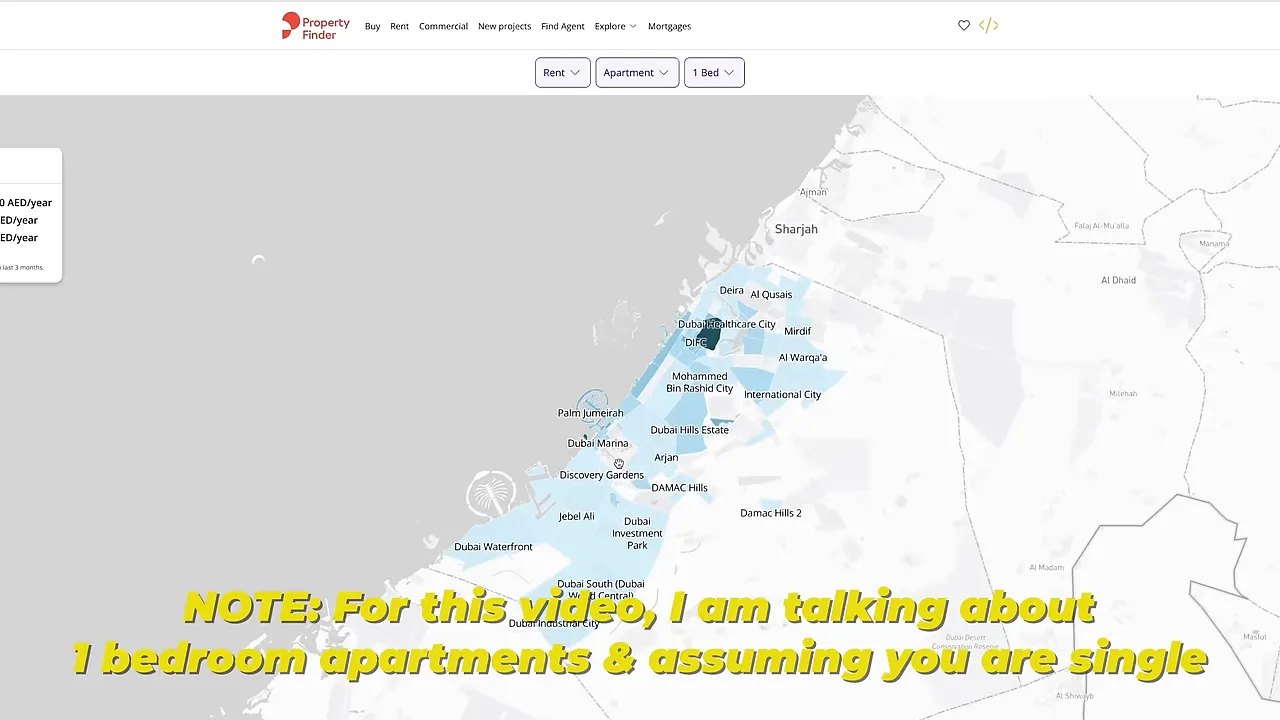
Rent is the single biggest expense. Prices vary a lot by neighborhood, so location will determine most of your budget choices. Use local listing sites like Property Finder to check averages and trends.
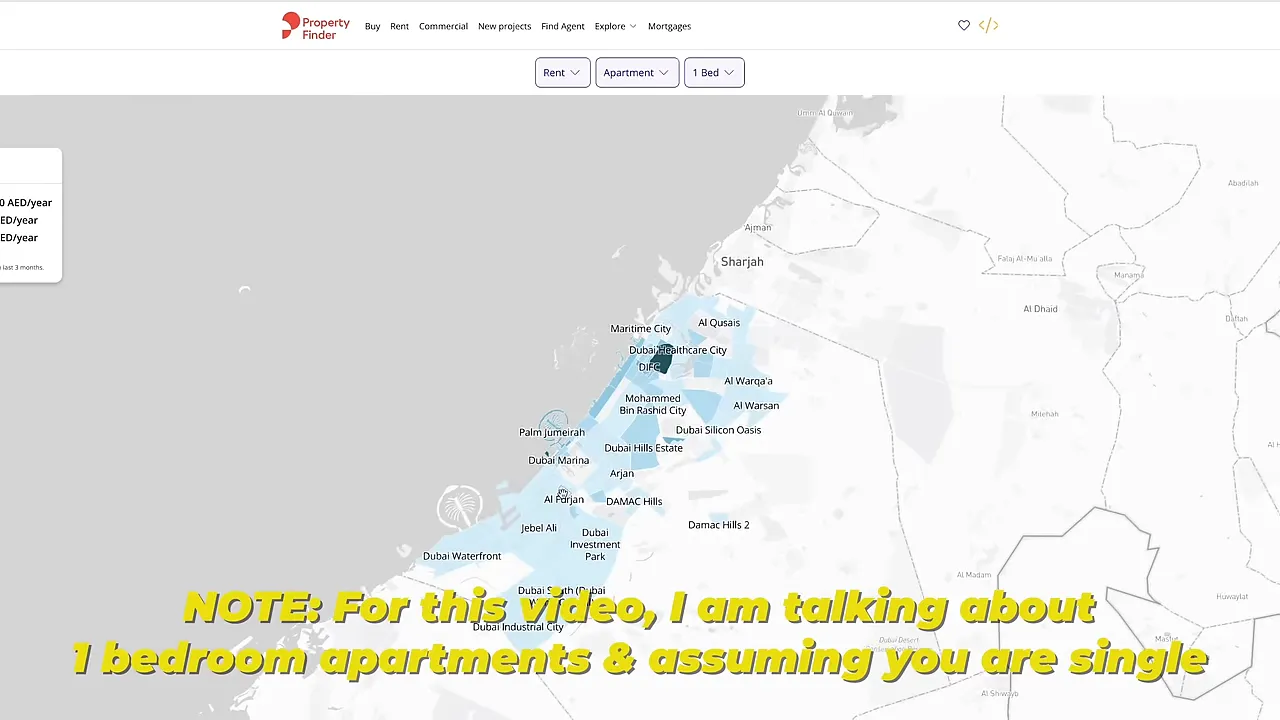
Here are typical annual averages mentioned as a guide (approximate):
- Dubai Marina: ~110,000 AED/year (~9,200 AED/month)
- JBR (just across the road from Marina): ~172,000 AED/year (~14,300 AED/month)
- Downtown: ~130,000 AED/year (~10,800 AED/month)
- Business Bay: ~105,000 AED/year (~8,750 AED/month)
- The Palm: ~180,000 AED/year (~15,000 AED/month)
- Jumeirah Village Circle (JVC): ~75,000 AED/year (~6,250 AED/month)
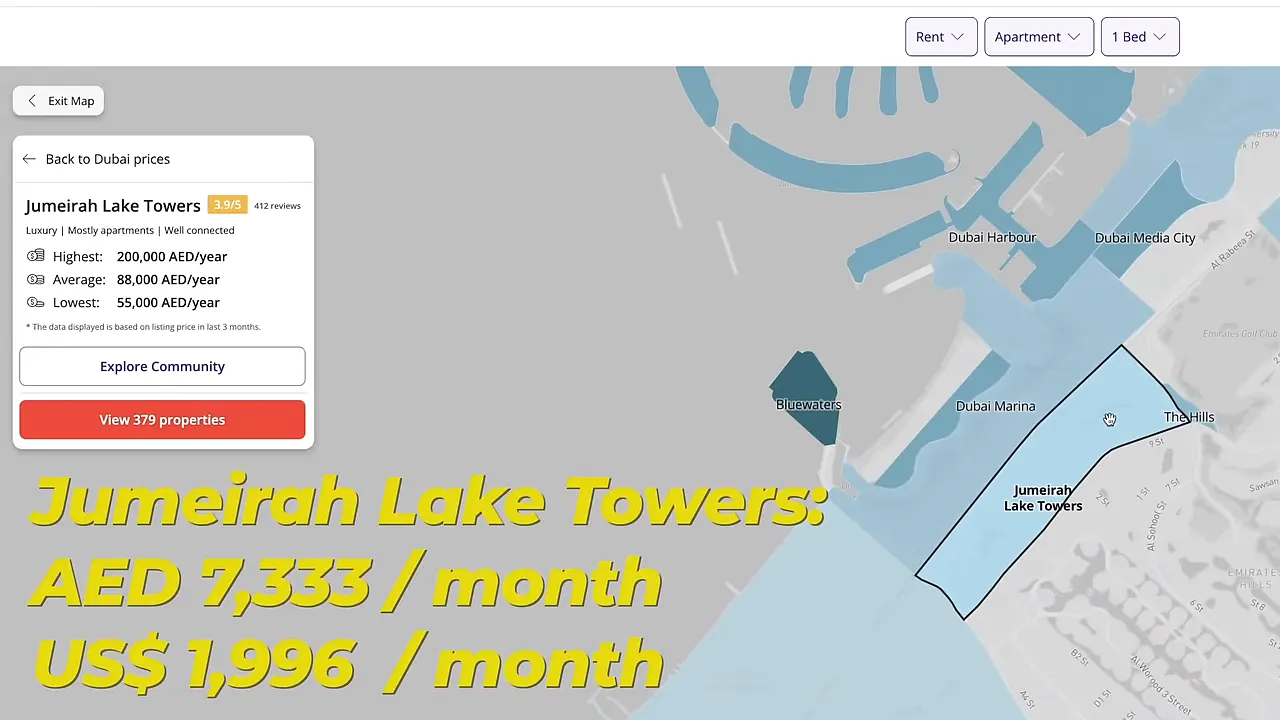
Marina and JBR give the 24/7 waterfront vibe but come with premium prices. Crossing a single road can mean a 40–50 percent price jump. If you want cheaper options, look slightly inland: JLT, JVC and many suburban communities are substantially cheaper.
Neighborhood notes and lifestyle tradeoffs
If you want walkability and the beach, central areas are worth the cost. For families or greener neighborhoods, consider Dubai Hills and its malls. For value, newly developing suburbs often rent for far less, but expect more construction and less immediate walkability.
Food and day-to-day expenses
Dubai is a huge foodie city with choices across every price point. You can eat cheaply or eat extremely well—your budget depends on habits:
- Delivery apps (e.g., Careem): simple meals from ~30–40 AED.
- Mid-range restaurants: expect 100–150 AED per person.
- High-end dining: 300–1,000+ AED per person at ultra-luxury spots.
Cooking at home cuts costs dramatically. If you keep meals simple and buy groceries, food spending can be modest; dining out frequently pushes your budget up quickly.
Other recurring costs
Plan for these essentials beyond rent and food:
- Healthcare: No state-funded healthcare via income tax—expats buy insurance. Basic individual plans can start around 1,000 AED/year but vary widely by coverage and family size.
- Gym: Mid-range memberships ~250 AED/month; premium gyms cost more.
- Transport: Taxis are reasonably priced—e.g., Marina to Downtown ~70 AED; airport to Marina ~100 AED. Cars are expensive to buy or lease, but petrol is cheap.

Two realistic budget scenarios
Here are two concrete frameworks for Living in Dubai with REALISTIC Budget planning:
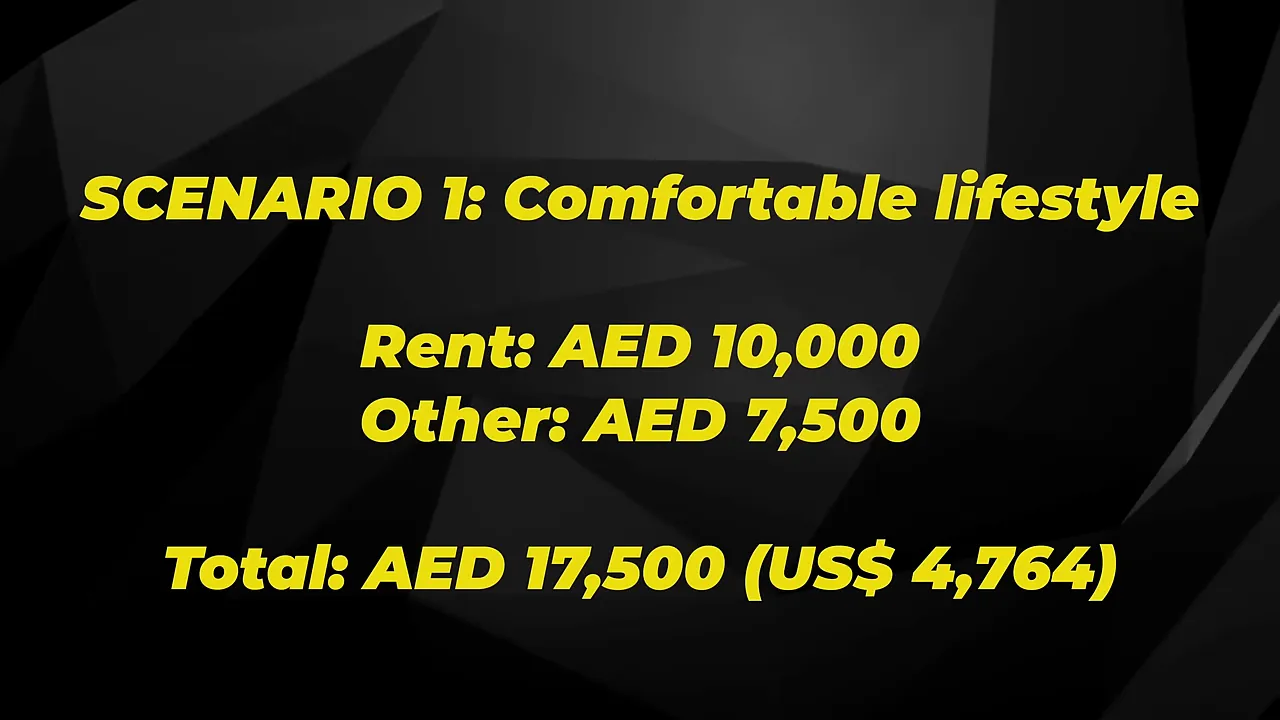
1) Comfortable city lifestyle (Marina / Downtown)
- Rent: ~10,000 AED/month (mid-to-high apartment)
- Other costs (food, transport, insurance, gym, utilities): ~7,000–8,000 AED/month
- Total: ~17,000–18,000 AED/month
2) Budget-conscious expat (inland suburbs)
- Rent: ~4,000 AED/month (smaller unit in JVC or further out)
- Other costs: ~4,000 AED/month
- Total: ~8,000 AED/month (~$2,000/month)
These are examples for one person. Family costs (bigger home, family health insurance, schooling) scale up fast.
Is Dubai worth it?
Key financial upside: Living in Dubai with REALISTIC Budget often improves net income because there is 0% income tax and corporate tax is either 0% or 9% depending on income and structure. That boosts disposable income relative to many Western countries.
That said, Dubai is not the cheapest city. If tight budgeting is your primary goal, alternative destinations in Southeast Asia offer a lower cost of living. If your priorities include business opportunities, tax efficiency, safety, and high-quality services, Dubai often makes sense.
Moving and setting up a company
Setting up an office, establishing tax residency, and moving countries involves paperwork and choices. Professional guidance helps you exit your current tax residence correctly and set up in Dubai in a compliant way. If you plan to relocate and optimize taxes while maintaining a lifestyle aligned with the budgets above, get tailored advice early.
Final checklist for planning
- Decide preferred neighborhood (coast vs inland).
- Use Property Finder to verify current rent averages.
- Estimate food and transport based on your habits.
- Shop health insurance quotes for realistic premium numbers.
- Compare total monthly outflow to your expected after-tax income.
Living in Dubai with REALISTIC Budget is entirely possible across a wide range: from comfortable waterfront living to a modest, well-planned expatriate life inland. Choose where you sit on that spectrum, and align your income and tax setup accordingly.


