

Why the UAE turned to cloud seeding in Dubai
The UAE is one of the driest countries on Earth, receiving roughly 120 millimeters of rain per year. To secure water resources the country has developed an ambitious program of cloud seeding in Dubai and across the Emirates. The aim is simple: increase the amount of rain produced by suitable clouds and make the most of every drop.
What cloud seeding in Dubai actually does
Not every cloud releases all the water it contains. In fact,
only 40 to 50 percent of the rain processed in a cloud comes down as rainfall
in natural conditions. The UAE’s cloud seeding operations try to increase that fraction — often raising rainfall from an additional 15 to 30 percent in favorable cases.
How the process works inside the National Centre of Meteorology
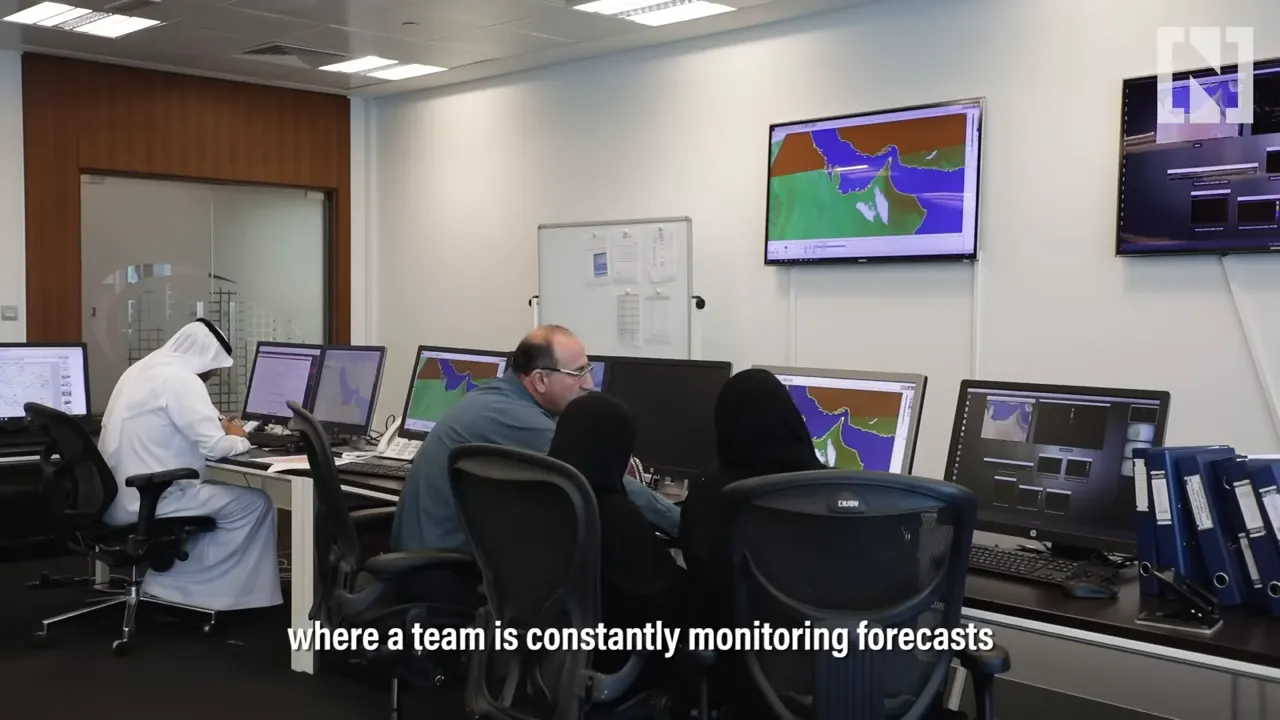
The program begins with constant monitoring. Teams at the National Centre of Meteorology track forecasts and identify suitable targets. The operations focus on cumulus clouds — the tall, vertically developing clouds that can produce convective rainfall.
From forecast to flight
Once a target cloud is identified:
- Controllers radio the pilots and issue a go-ahead.
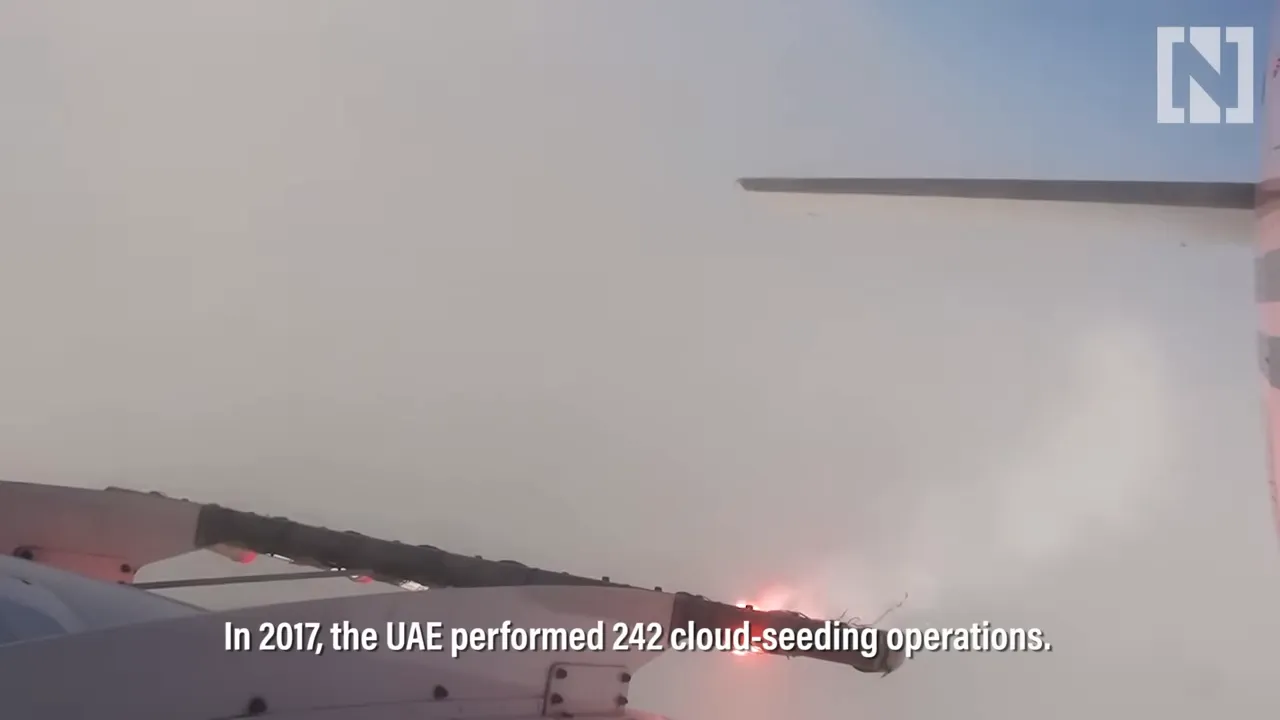
- Aircraft equipped with hygroscopic flares take to the air.
- Flares contain salts such as potassium chloride, sodium chloride and magnesium compounds — essentially engineered particles that attract moisture.

What happens inside the cloud
When the flares are released into the right region of a cumulus cloud, the salt particles act as nuclei for condensation. Moisture clings to these particles, forming droplets. As droplets collide and coalesce they grow larger until the air can no longer hold them, and they fall as rain.
Scale, results and limitations
In 2017 the UAE carried out 242 cloud seeding operations. Authorities are confident that these flights boost rainfall overall, but measuring the exact success rate for each individual cloud is challenging. Clouds differ in structure, moisture content and dynamics, and it is often impossible to know whether a targeted cloud would have rained anyway.
Key limitations include:
- Variation between clouds makes per-cloud success hard to quantify.
- Environmental factors and timing affect outcomes significantly.
- Accurate measurement requires extensive observations and sometimes additional research flights.
Research, funding and the future
The UAE has not only run operational programs but also invested millions in research grants for rain-enhancement and marine studies. Funding supports innovations in seeding materials, measurement techniques and modeling to better understand when and how to intervene.
As techniques improve and observation networks expand, the effectiveness of cloud seeding in Dubai should become easier to quantify, helping planners use weather modification as a responsible part of a broader water-security strategy.
Practical takeaway
- Cloud selection matters: only certain cumulus clouds are good candidates.
- Timing and technique: hygroscopic salts encourage condensation and droplet growth.
- Measurement is hard: attribution of additional rainfall to seeding requires robust data and careful analysis.
Cloud seeding in Dubai is a pragmatic, science-led response to scarcity. It is not a magic switch for drought, but when used alongside research, monitoring and sustainable water policy it becomes a useful tool to increase rainfall and safeguard resources.


