

Dubai continues to attract people from more than 200 nationalities with its skyline, fast pace and tax-free salaries. This guide breaks down living costs in Dubai in 2026 into practical sections: where to live, how much you’ll pay for food and transport, what jobs and salaries look like, nightlife and the core pros and cons to consider.

Where to live: neighbourhoods, rent and practical tips
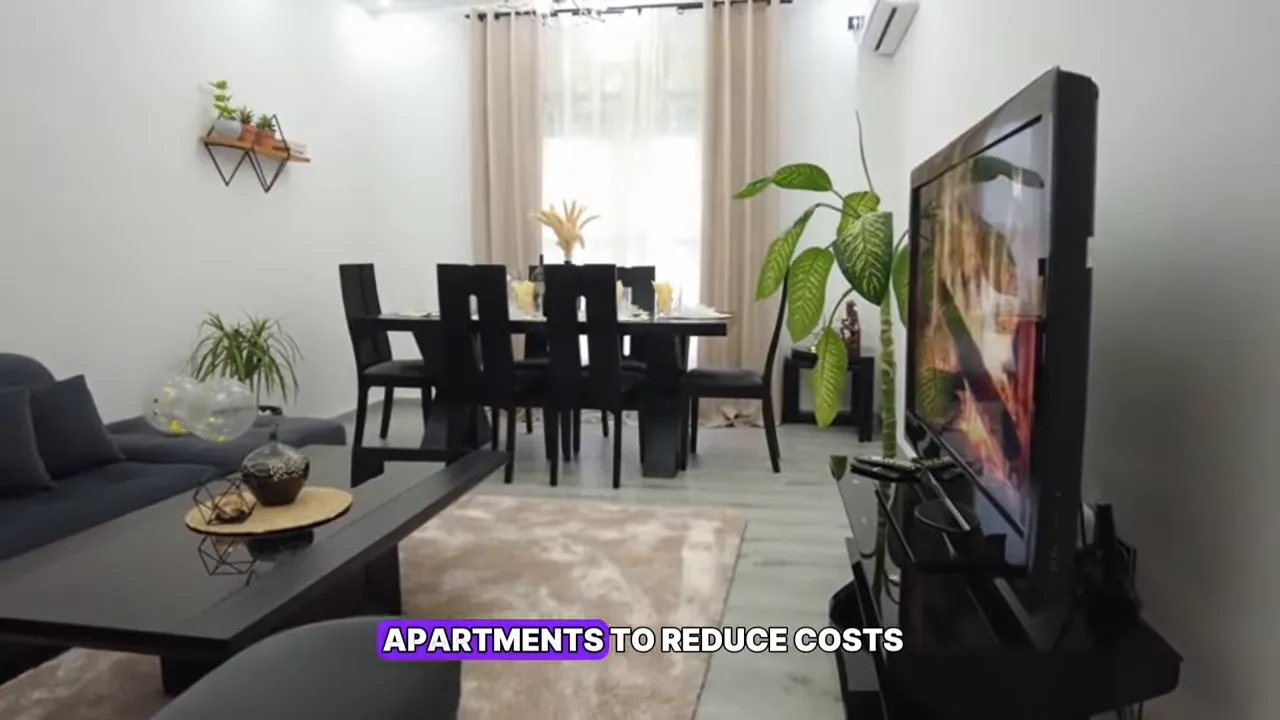
Accommodation options range from studios and one-bedroom flats to shared rooms, serviced apartments and luxury villas. Choosing the right neighbourhood makes a big difference to the budget.
- Affordable: Deira, International City — good for tight budgets and newcomers.
- Mid-range: Al Barsha, Jumeirah Village Circle (JVC) — balance of cost and convenience.
- Luxury: Dubai Marina, Downtown Dubai — prime location with higher rents.

Typical rents in 2026: studios about $700–$1,200 per month and one-bedroom apartments roughly $1,200–$2,000. Shared accommodation remains a common way to cut costs, especially for students and entry-level workers. Utilities and internet usually add around $100–$200 monthly depending on AC usage and apartment size.
Contracts and moving-in realities
Expect yearly contracts, a security deposit and sometimes post-dated checks. Many newcomers opt for short-term rentals or hotels until they secure a job and a long-term lease.
Food and grocery: variety and budget options
One of Dubai’s strengths is its food diversity. You’ll find Arab, Indian, Pakistani, East Asian and Western cuisines across the city. That variety affects spending.

- Supermarkets: Carrefour, Lulu, Union Co-op, Spinneys — staples and imported goods.
- Monthly grocery cost: singles typically spend $200–$300, families around $400–$600.
- Eating out: street food ~$5–8, fast food ~$10, mid-range restaurant meals $15–$30.
Most food in Dubai is halal and inspected for hygiene. To lower costs: shop offers, buy local brands and cook at home. These simple moves help control living costs in Dubai in 2026 without sacrificing variety.
Transport: public, taxis and owning a car
Dubai’s transport system is modern and efficient. The automated metro connects major hubs, buses reach most neighbourhoods and taxis are plentiful and safe.

- Monthly public transport pass: around $80–$100.
- Ride-hailing: Careem and Uber are convenient but pricier than public options.
- Owning a car: fuel is relatively cheap, and many residents choose cars for flexibility, especially families.
For many, a mix of metro and occasional taxi or rideshare provides the best balance between cost and convenience.
Jobs and salaries: what to expect in 2026
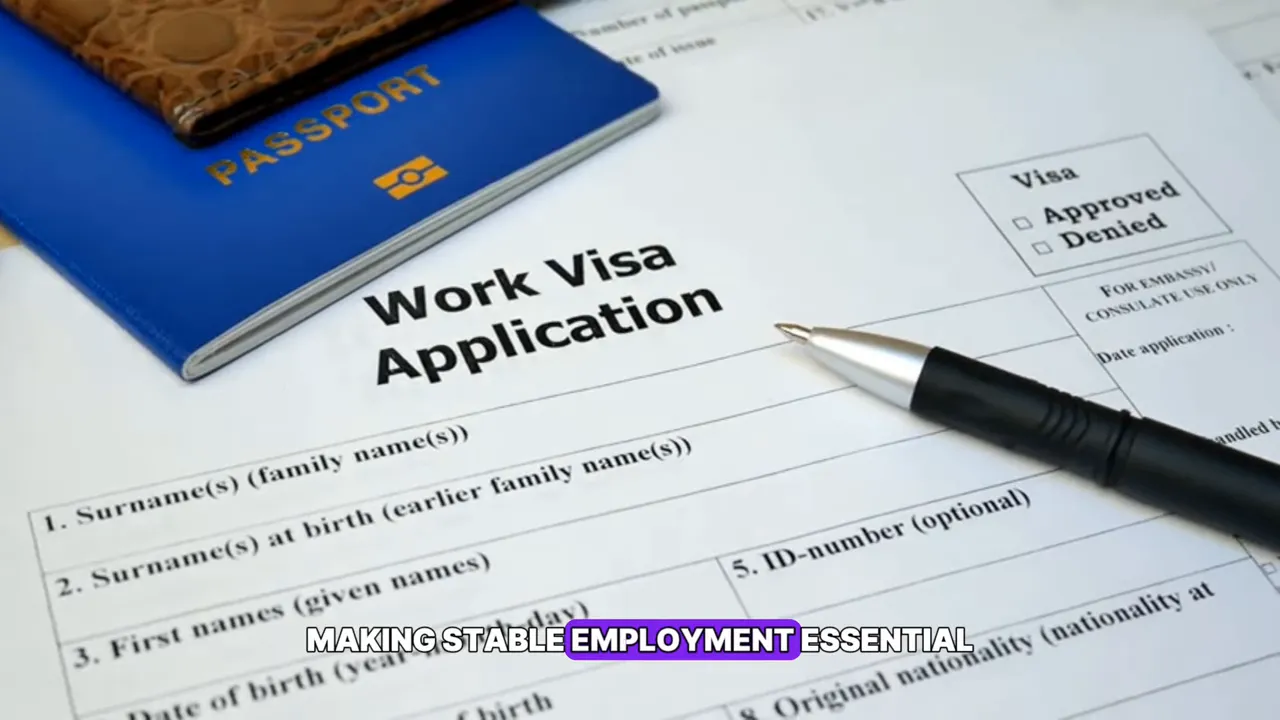
Dubai’s job market remains competitive across construction, hospitality, IT, healthcare, aviation and logistics. Work visas are employer-sponsored, so securing employment is key to legal residency.
- Entry-level and unskilled: lower brackets; some roles provide basic monthly packages.
- Skilled professionals: engineers, IT specialists, accountants and marketers commonly earn between $3,000–$6,000 depending on experience.
- Managers and executives: can earn upward of $8,000 monthly in multinational firms.
- Tax advantage: salaries are generally tax-free, allowing higher effective savings compared with many Western countries.
Remember that salary levels vary by industry, employer benefits and negotiation. Job security often ties to contract terms, so plan finances accordingly.
Nightlife and entertainment
Dubai offers glitzy nightlife—rooftop bars, clubs, beach parties—and family-friendly attractions like aquariums, theme parks and cultural festivals. Alcohol is available only in licensed venues and public drinking is prohibited.

Nightlife can be expensive. Budget for club entries, drinks and event tickets if a busy social life matters to you.
Pros and cons at a glance
- Pros: tax-free income, high safety, modern infrastructure, strong job opportunities.
- Cons: high living costs for rent and schooling in central areas, extreme summer heat, residence tied to employment.

Practical tips to manage costs
- Choose neighbourhoods wisely—trade location for lower rent when possible.
- Consider shared housing for the first months to save on rent and deposits.
- Use the metro and public transport for daily commuting.
- Cook at home and shop promotions to reduce grocery bills.
- Negotiate salary and benefits with future employers and clarify visa support.
Smart choices on housing, transport and groceries make a big difference to living costs in Dubai in 2026. With tax-free salaries and a modern lifestyle, Dubai rewards planning and adaptability. Whether you come for work or a new chapter, understanding these categories helps you set realistic budgets and expectations.
For a practical starting point: focus first on securing a job or short-term stay, then lock in a long-term rental once you know your commute and salary. That approach reduces upfront costs and keeps options open while you settle in.
Living in Dubai can be exciting and rewarding—approach it with financial planning and respect for local rules, and you’ll find a city full of opportunity.


