

The phrase religion in Turkey captures a long, layered story: a secular republic where Islam is the dominant faith, built on millennia of older beliefs and a tradition of religious pluralism. Whether you are planning a short visit or moving here, understanding how religion shapes daily life will help you feel comfortable and respectful wherever you go.
A brief history: layers that shaped religion in Turkey
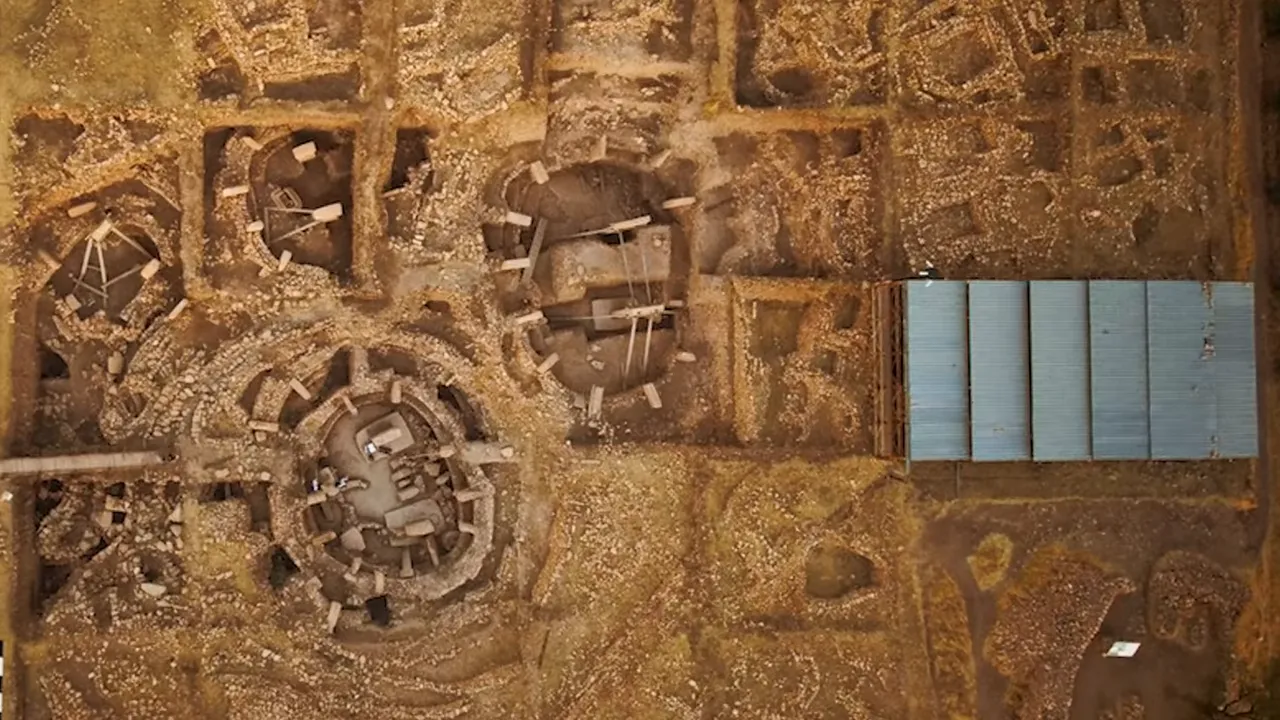
The land that is modern Turkey has been a crossroads for faiths for thousands of years. Archaeological sites like Gobekli Tepe (dating back to around 9000 BCE) remind us that ritual and communal belief began here long before classical civilizations.
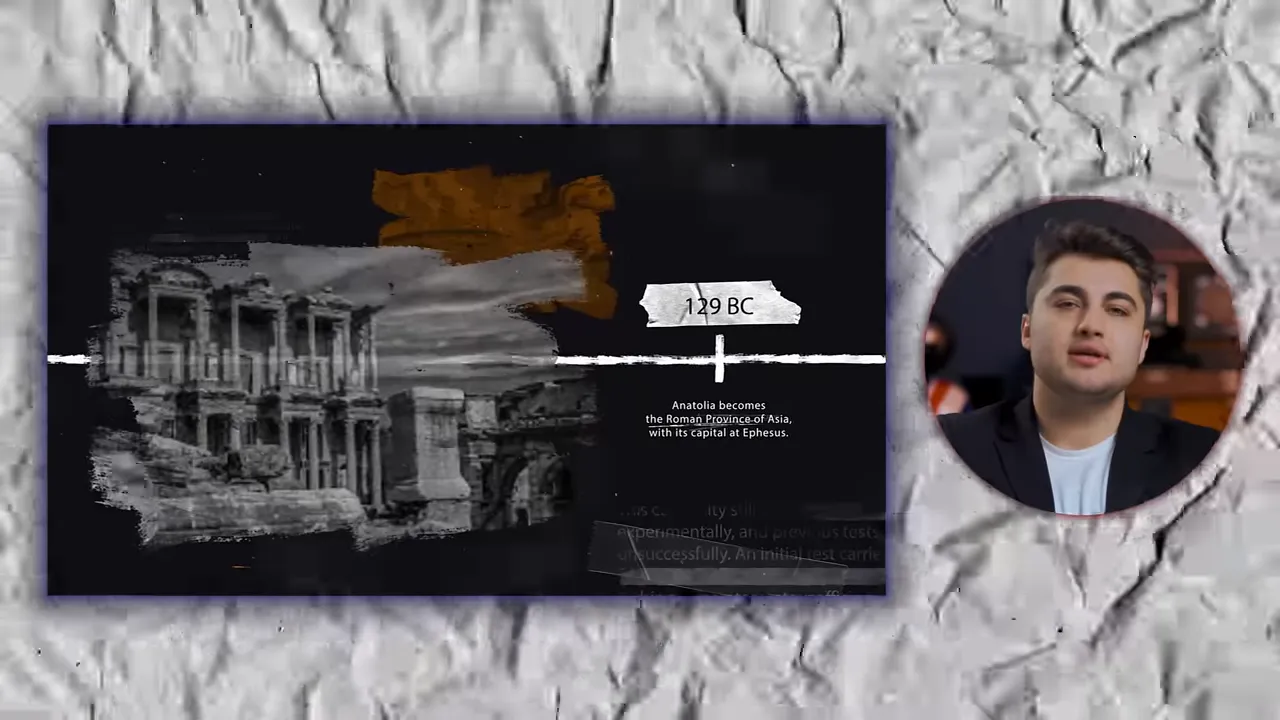
Over centuries Anatolia hosted Greek and Roman polytheism, then became a major center of early Christianity. The Council of Nicaea, held in what is now Iznik, formalized key Christian doctrines. For more than a millennium Anatolia was mainly Orthodox Christian until the arrival of Turkic Muslim populations.
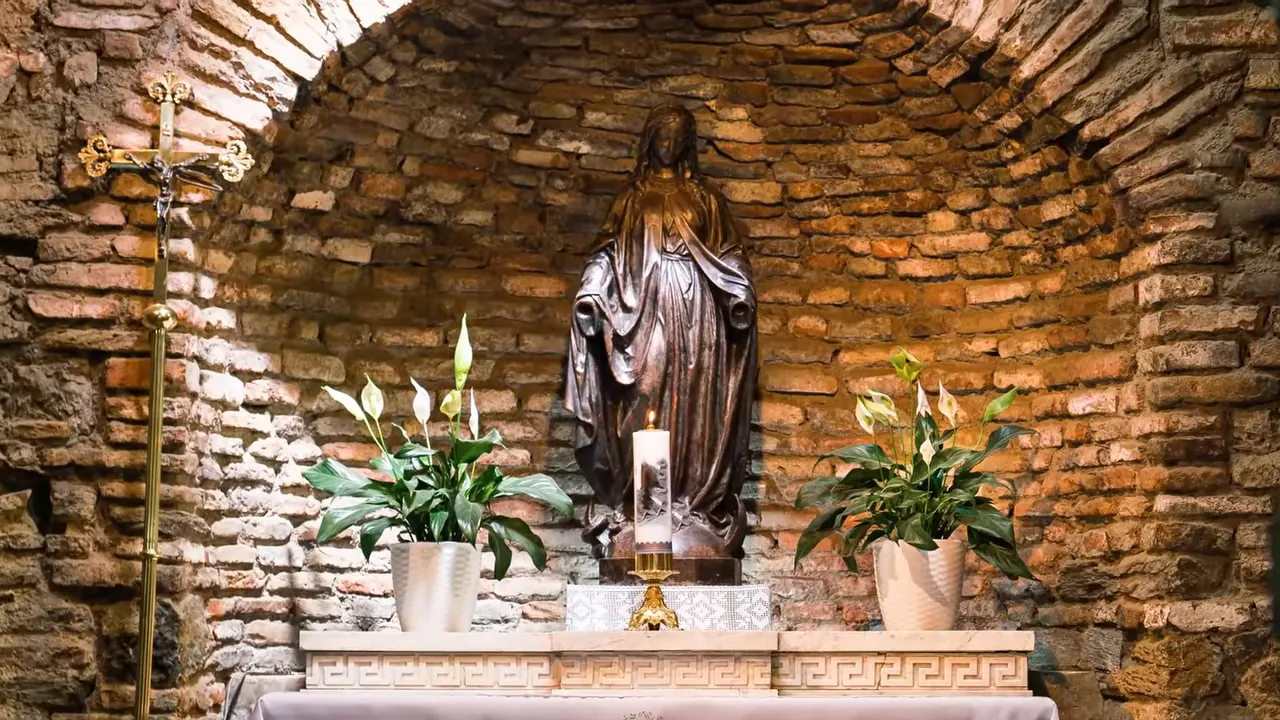
Traces of these histories are everywhere: ancient churches (some still active, some converted to mosques), shrines like the site associated with the Virgin Mary near Ephesus, and major religious leaders who have long sat in Istanbul.
Who practices what today?
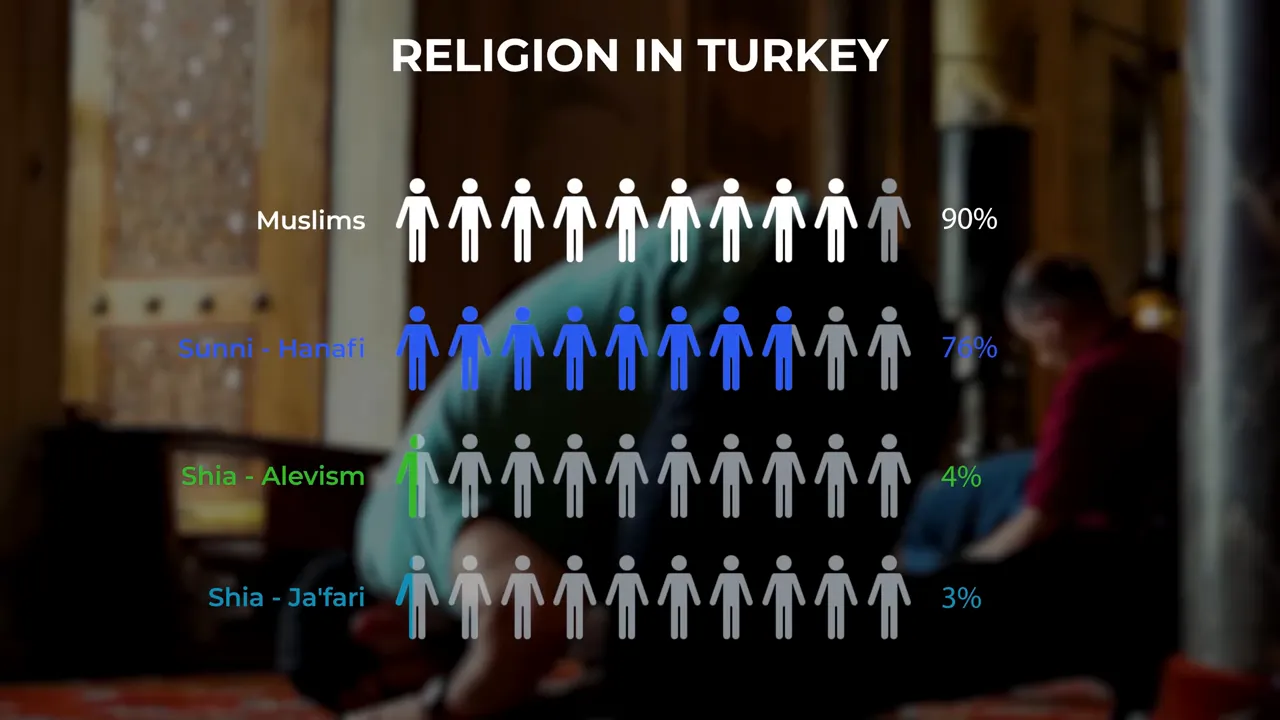
Officially Turkey has been a secular state since a 1928 constitutional amendment, but the demographic picture is clear: the vast majority of people are Muslim. Government figures commonly cited show over 90 percent identify as Muslim, with about 77 percent following the Sunni Hanafi tradition. Other Muslim communities include Alevis (around 5 percent in some studies) and Shia Jafari communities (estimated around 4 percent).
Surveys give a finer picture of religiosity: a 2006 poll reported roughly 19 percent of respondents described themselves as extremely religious, 45 percent somewhat religious, 33 percent not very religious, and 3 percent without religious belief. Another 2007 survey showed similar distributions. Beyond Islam, there are small but historic communities of Christians (Greek Orthodox, Armenian Apostolic, Syriac) and Jews, plus more recent arrivals from Protestant and other faiths.
For Muslims arriving to visit or live
If you are Muslim, you will generally find Turkey very accommodating. Key points:
- Halal food and groceries: Halal food is widely available, and everyday shopping rarely requires you to scrutinize products for pork ingredients.
- Dress and practice: Wearing hijab, niqab, or other expressions of modesty is common and fully accepted. Islamic schools, halal hotels, and non-alcoholic venues exist in many cities.
- State support for religious life: The Presidency of Religious Affairs (Diyanet) administers mosques and religious services nationwide. It oversees tens of thousands of mosques, employs many staff, and coordinates Friday sermons and public religious programming.
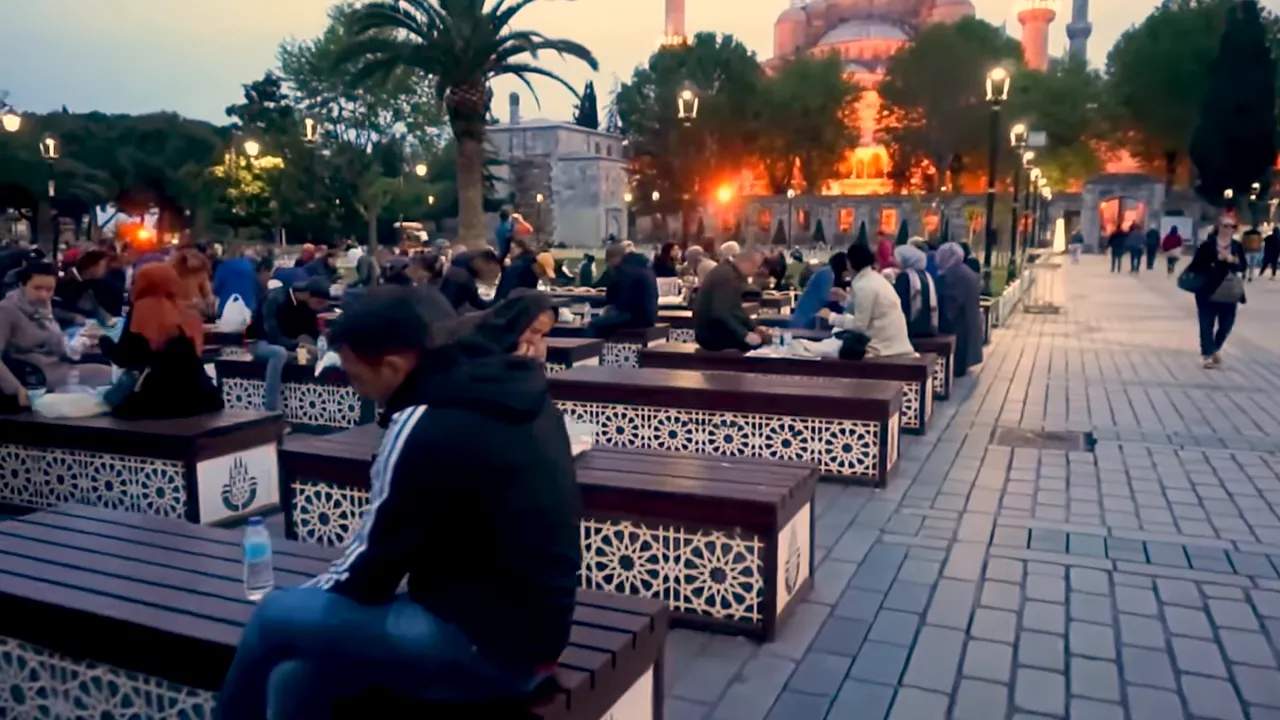
- Ramadan atmosphere: Ramadan is widely observed. Public iftar gatherings, televised sermons, and a festive mood across squares and neighborhoods are typical during the holy month.
For non-Muslims and people with no faith
Non-Muslims and non-religious people can generally live openly and comfortably in Turkey. Practical realities include:
- Alcohol and pork: Alcohol is legally sold and available in restaurants and stores across the country. Pork products exist in supermarkets and some restaurants. You do not need to be a foreigner to buy alcohol.
- Relationships and living arrangements: Cohabitation without marriage is tolerated in the cities and rarely an issue legally or socially. People of different faiths often form relationships without institutional barriers.
- Freedom to worship and organize: Churches, synagogues, temples, and other places of worship exist in major cities. Small communities organize festivals, religious talks, and celebrations—local Indian friends celebrating Diwali is a common example in cosmopolitan areas.
- Irreligion is visible: Many urban residents are non-religious and comfortable discussing beliefs publicly. In rural or more conservative areas people are typically respectful if you express different or no faith, though social conservatism increases outside big cities.

Why religious diversity and tolerance persist
The Ottoman Empire, which preceded modern Turkey, governed a multiethnic, multireligious population for centuries. While there were periods of pressure and conversion campaigns, the general approach allowed many communities to practice their faiths with relative autonomy. That legacy feeds into contemporary attitudes: Turkey remains officially secular and, overall, pluralistic.
Small realities to be aware of
- Social tolerance varies by place: big cities are more liberal; small towns and villages tend to be more religious and conservative.
- As in any large country, occasional intolerance or offensive remarks happen, but they are not the norm.
- When visiting religious sites, follow local etiquette: dress modestly at mosques, ask before photographing people inside places of worship, and respect worship times.
Quick practical tips
- During Ramadan: Be mindful of public fasting practices—many public iftars are welcoming to guests, and restaurants may alter hours.
- Mosque visits: Take off shoes, wear modest clothing, and follow signs for men and women. Observe silence during prayer times.
- Dining and groceries: If you avoid pork or alcohol, most restaurants and shops are easy to navigate; check menus if you are in a highly touristy area where Western choices mix with local offerings.
- Social relationships: Public displays of affection are okay in many places but be aware of local norms in conservative districts.
- Ask and learn: People are generally curious and polite—asking respectful questions will lead to helpful explanations and invitations rather than conflict.
"Come, come, whoever you are. Wanderer, worshiper, lover of leaving—come. Ours is not a caravan of despair."— Often attributed to Mevlana Rumi (authorship disputed)
Religion in Turkey is not a single story but many overlapping ones: history, majority practice, state secularism, and local customs. Whether you arrive as a devout Muslim, a member of another faith, or without religion, Turkey offers places to belong and places to learn. If you are planning a trip or move, a little knowledge about local customs goes a long way toward a respectful and enjoyable stay.


