

Education in Turkey | International schools is a common search for families planning a move, expats already living in Turkey, and local parents comparing options. This guide explains the Turkish school system, the types of international and private schools available, typical curricula, costs, admissions tips, and a practical checklist to help you choose the right school.
Quick overview: how the Turkish system works
Compulsory education in Turkey covers 12 years under a 4+4+4 structure: four years primary, four years middle, and four years high school. Public state schools follow the national curriculum and are free for Turkish citizens and residents. Private schools, including international schools, follow the national framework but often supplement it with foreign curricula, bilingual instruction, or international diplomas.
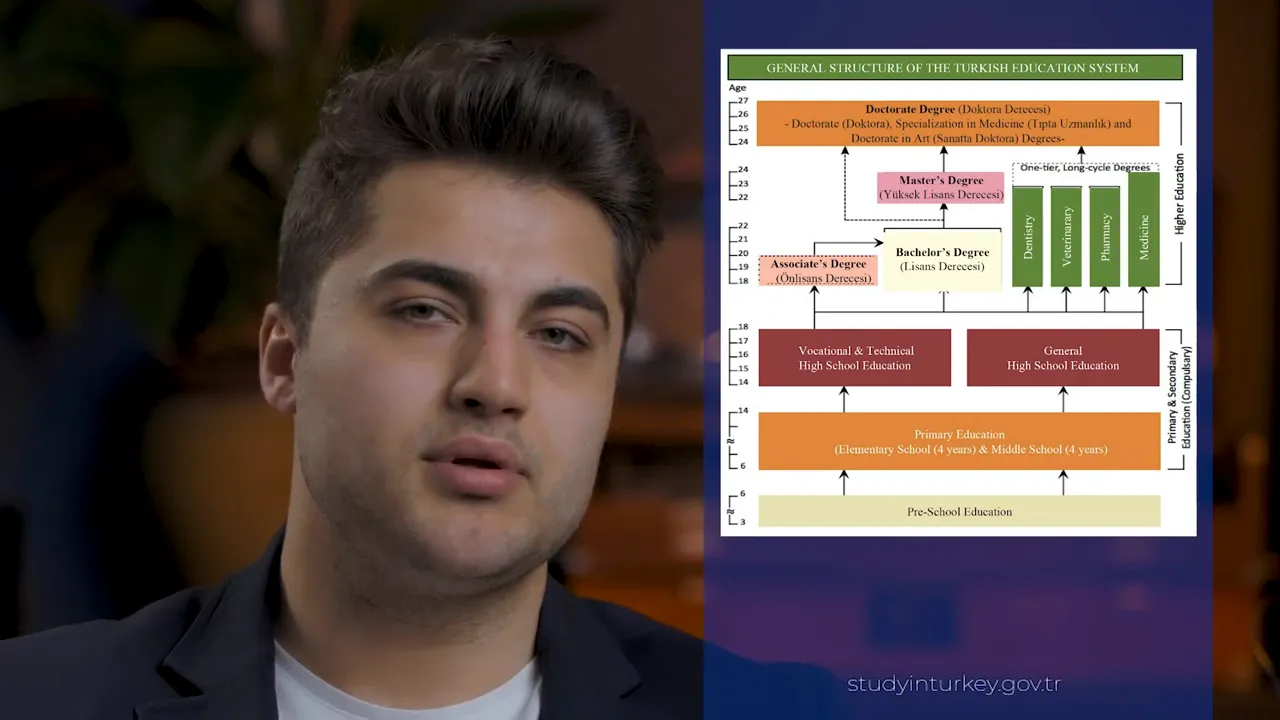
Types of schools you will encounter
- State schools (Devlet Okulu): Free, Turkish-curriculum, widely available.
- Private Turkish schools: Follow national curriculum with additional programs, extracurriculars, and sometimes boarding.
- International schools: Offer foreign curricula (British, American, IB, French, German) and bilingual instruction. Typically fee-based.
- Religious and vocational schools: Examples include Imam Hatip schools (religious focus) and vocational-technical high schools.
What “international school” means in Turkey
An international school typically serves expatriate and internationally-minded families by offering instruction in English or another foreign language, using internationally recognized programs such as the International Baccalaureate (IB), IGCSE, or American-style diplomas. Many international schools also teach Turkish language and comply with some national requirements.
Common curricula found in international schools
- IB (Primary Years, Middle Years, Diploma) — global recognition and inquiry-based learning.
- British (English National, Cambridge IGCSE) — subject-based, widely used in European-style schools.
- American — grade-based system, often prepares students for U.S. universities.
- French, German, Austrian programs — available at historic schools with language immersion.
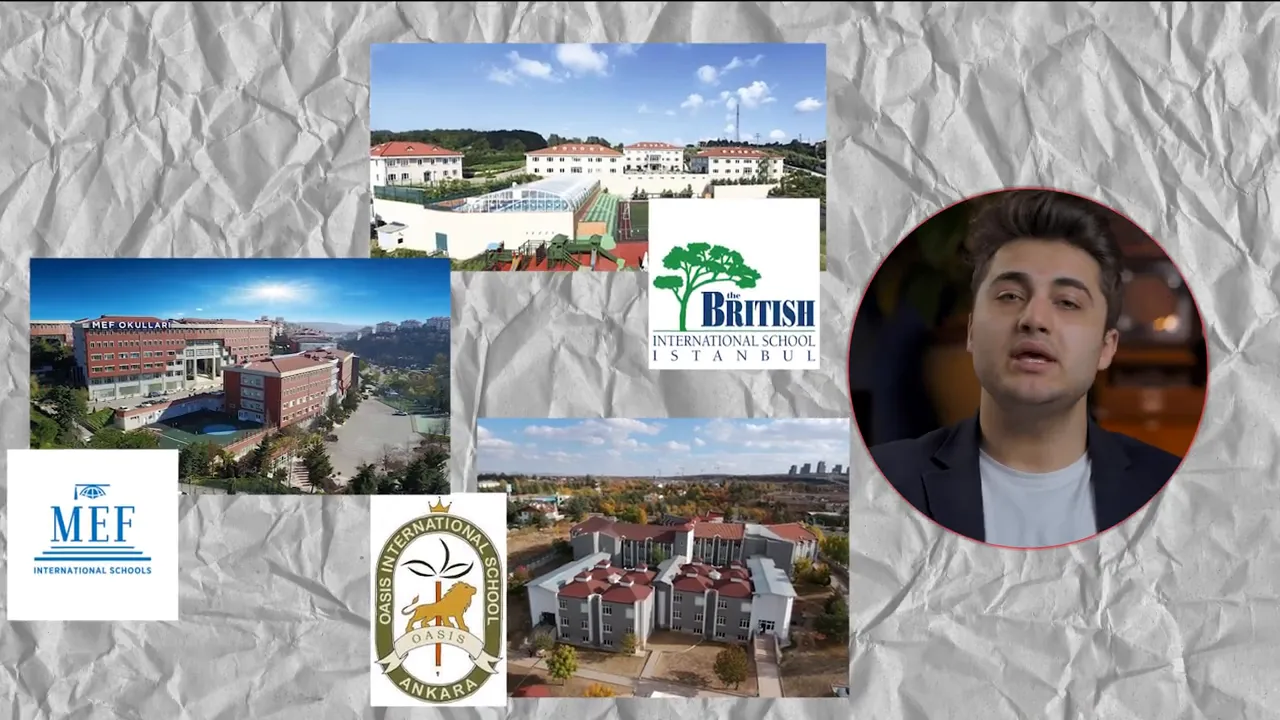
Notable international and historic schools (examples)
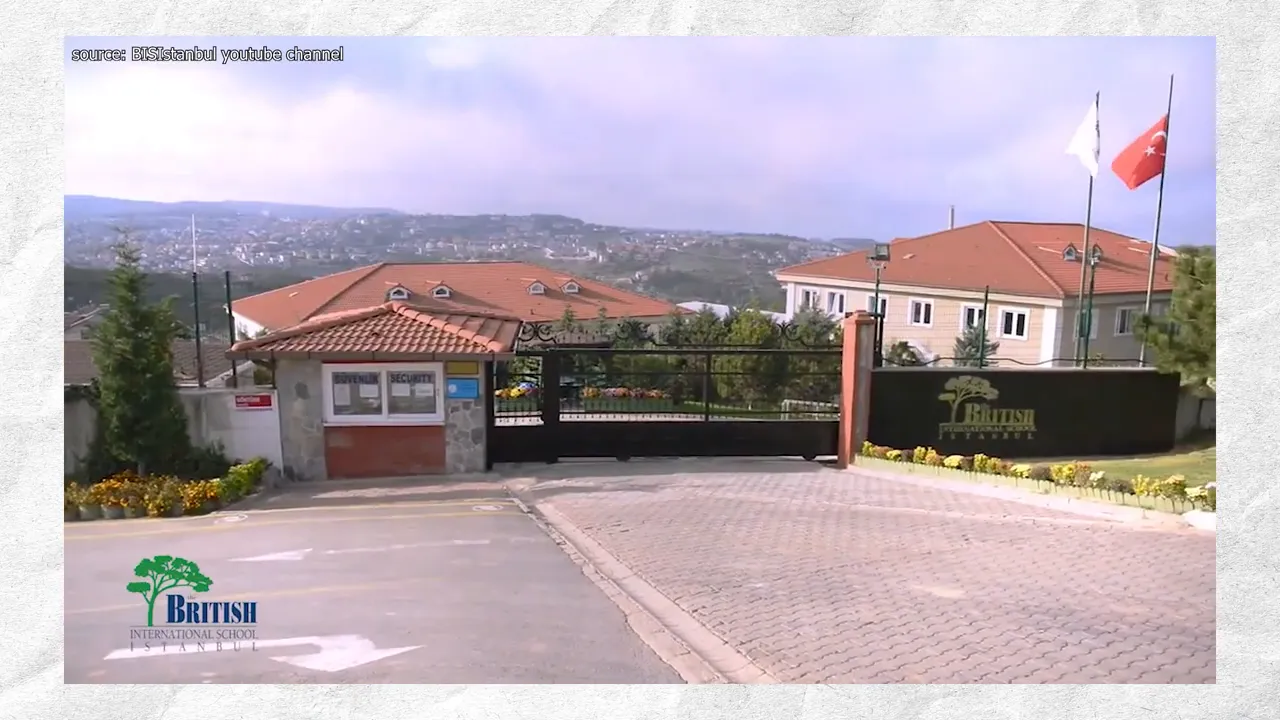
Turkey hosts a mix of modern international schools and long-established foreign-language institutions. These often differ by language of instruction, campus locations, and student body composition.
Costs: what to expect
Tuition varies widely. In large cities like Istanbul, international school fees commonly range from a few thousand to over thirty thousand US dollars per year depending on campus, grade level, boarding, and extra services. Smaller cities and local private schools are generally less expensive. Budget for additional costs such as uniforms, transport, meals, extracurriculars, and standardized test fees.
Admissions: tests, language requirements, and timing
- Language assessment: Many schools require proficiency tests in English, French, or German. Some schools offer EAL/ESL support for limited English speakers; others expect fluent students.
- Academic records: Recent school reports and national exam results are commonly required.
- Entrance exams or interviews: Schools may use written tests, interviews, and placement assessments.
- Application timeline: Popular international schools fill early. Apply several months before the academic year; some accept mid-year entries when space exists.
Practical checklist for choosing a school
- Define priorities: language of instruction, curriculum (IB, British, American), class size, extracurriculars, school culture.
- Location and commute: Evaluate travel time and transport options.
- Accreditation and university counseling: Look for IB, CIS, Cambridge, or national accreditations and university placement support.
- Cost transparency: Ask about tuition, registration, deposits, and hidden fees.
- Student diversity: Multicultural environments ease transitions for expatriate children.
- Support services: English as an Additional Language, learning support, counseling, and special needs resources.
- Visit the campus: Observe classes, meet teachers, review sample reports and assessment methods.
Islamic and culturally focused international schools
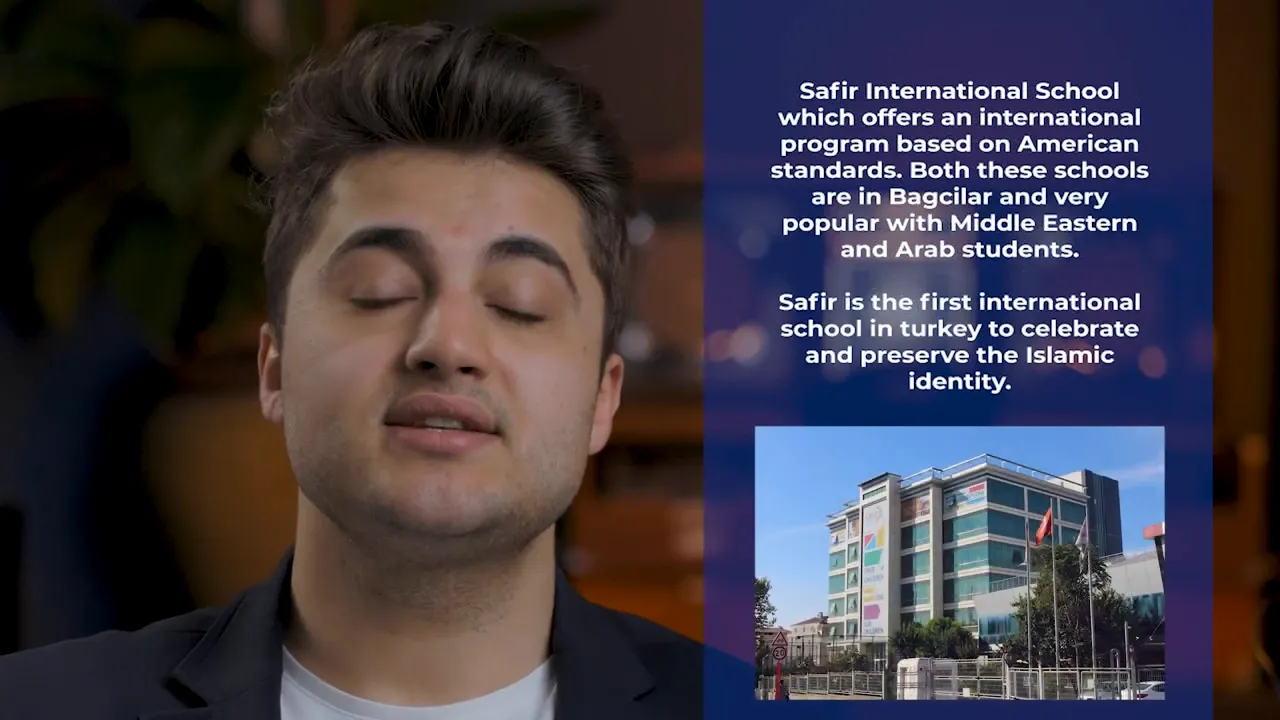
Some international schools in Turkey combine modern curricula with religious or cultural education. These schools can be attractive for families seeking an international standard of instruction while preserving language, faith, or cultural values. Check how religious studies are integrated and whether the school respects both international academic standards and cultural expectations.
Common mistakes and pitfalls to avoid
- Assuming “international” equals English-only: Some international schools use multiple languages or focus on a non-English curriculum.
- Overlooking accreditation: A non-accredited school can complicate university applications later.
- Underestimating extra costs: Transport, exams, uniforms and activities add up quickly.
- Ignoring visa and residency implications: Residency status can affect tuition rates and enrollment eligibility.
- Delaying visits and assessments: An early visit and language assessment reveal fit and placement level.
How to apply: step-by-step
- Shortlist schools by curriculum, language, location and fees.
- Contact admissions for documents required (transcripts, ID, previous reports).
- Arrange language and placement assessments.
- Attend interviews or campus tours when possible.
- Submit the application and required deposits before deadlines.
- Confirm enrollment and arrange logistics: transport, uniforms, meals, and health records.
Summary and next steps
Education in Turkey | International schools offers many choices: state schools, private Turkish institutions, bilingual options, and a variety of international programs. Prioritize curriculum recognition, language support, accreditation, and total cost. Use the checklist above to compare schools, schedule assessments early, and confirm practical details such as commute and student support. Doing this will make the transition smoother for both children and parents.
If you need to compare two or three specific schools, prepare a side-by-side table listing curriculum, tuition, language support, accreditation, and commute time to make a decision faster.


