

Is it Safe to Travel Turkey is a question many travelers ask before booking flights. Turkey blends ancient history, dramatic landscapes, and lively modern cities, and more than 50 million visitors travel there each year. For most travelers the answer is yes, Turkey is safe to travel to in 2026, provided you take common-sense precautions. This guide explains what to expect, which areas to avoid, and practical tips to keep your trip smooth and enjoyable.
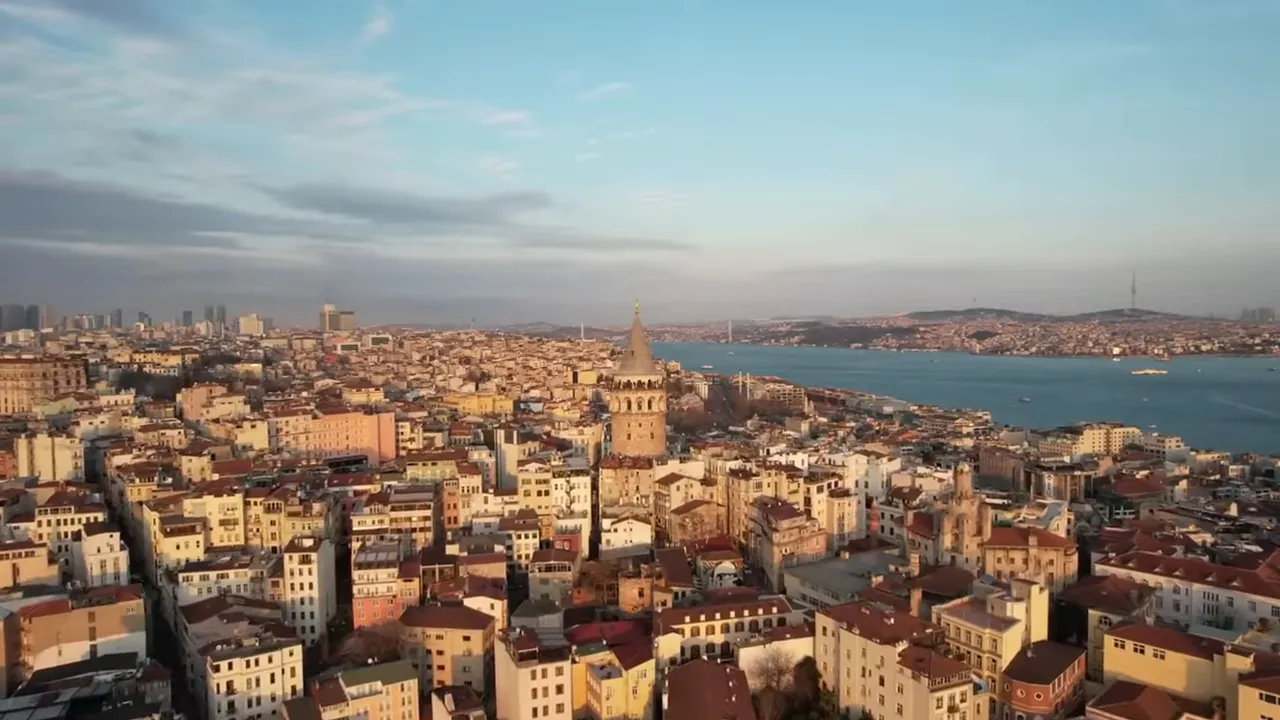
Quick snapshot: Who visits Turkey and why
Turkey draws people for many reasons: Istanbul's historic neighborhoods, Cappadocia's otherworldly valleys, the turquoise beaches of the Aegean and Mediterranean coasts, and countless archaeological sites like Ephesus and Troy. Millions of visitors enjoy these highlights without incident. Tourist areas are well patrolled and locals are usually welcoming and helpful.
General safety for travelers
Overall, Is it Safe to Travel Turkey? Yes for most visitors. Petty crime exists, as it does in any popular destination, but violent crime affecting tourists is uncommon. Common-sense habits reduce your risk substantially:
- Keep valuables secure in crowded markets, public transport, and busy squares.
- Avoid carrying large amounts of cash; use cards or a money belt when needed.
- Prefer official taxis or ride-hailing apps to reduce the chance of overcharging or taxi scams.

Where safety varies: regions to be mindful of
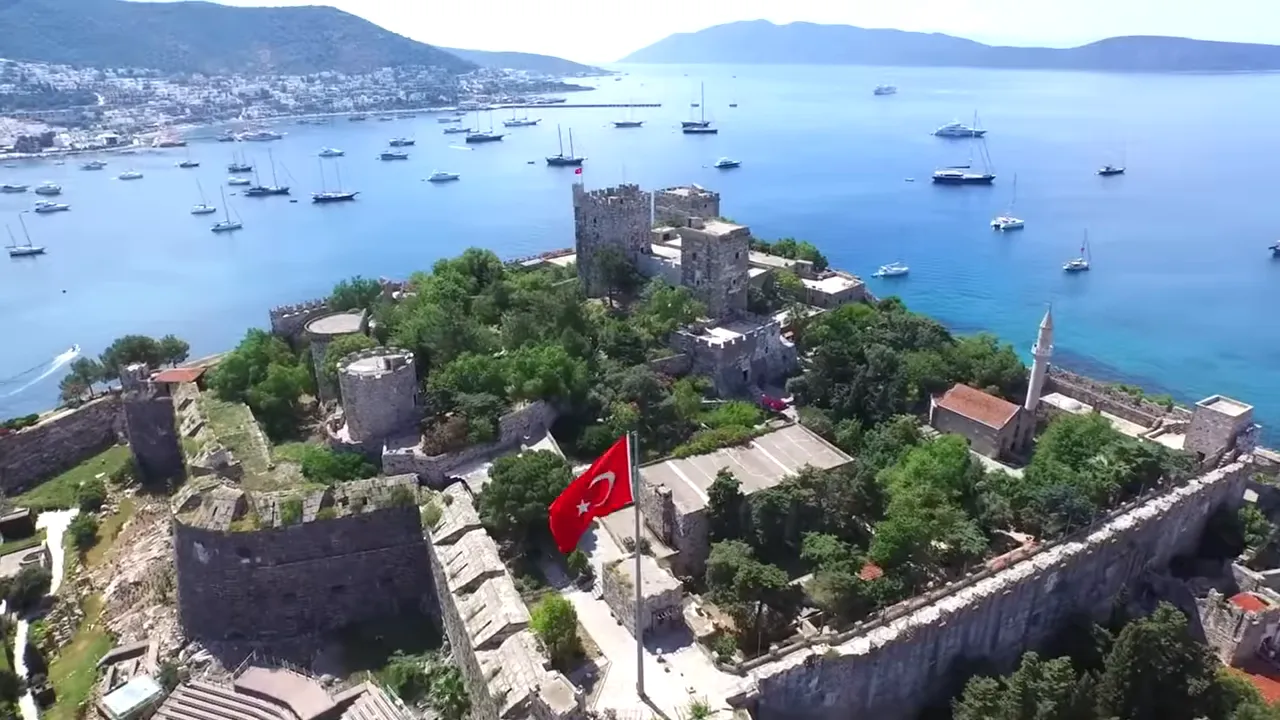
Turkey is geographically large and safety can vary by region. Popular destinations like Istanbul, Cappadocia, Antalya, Izmir, and Bodrum are generally very safe for tourists. Border regions near Syria and Iraq, however, are less stable and best avoided. Tourists rarely need to visit those border areas, so sticking to well-known destinations is both safer and more enjoyable.
Common scams and petty crime to watch for
Petty scams target distracted visitors. Pickpockets operate in crowded bazaars and on busy transport routes. Taxi scams can appear as inflated fares or long routes. To minimize risk:
- Use official taxis or ride apps and agree on fares when meters are not used.
- Keep a close eye on bags in markets and on public transport.
- Be skeptical of overly friendly strangers who offer unsolicited help with purchases or tours.
Natural events: earthquakes and what to expect
Turkey sits on active fault lines. Large earthquakes are rare, but smaller tremors can occur. For short-term travel this is unlikely to disrupt plans, but if staying longer or traveling in rural areas, stay informed about local safety advice and emergency procedures.
Health and cultural etiquette
Medical care in major cities such as Istanbul and Ankara is generally good, with modern hospitals and clinics available. Outside big cities, facilities can be more limited.
- Drink bottled water rather than tap water when outside major urban centers.
- Carry travel insurance that covers medical evacuation and hospital care.
- Respect local customs when visiting mosques and religious sites. Covering shoulders and knees is usually sufficient and appreciated.
Quick safety checklist
- Secure belongings in crowded places.
- Use trusted transportation services and apps.
- Check travel advisories before you go and during your stay.
- Respect cultural traditions and local dress codes at religious sites.
- Have travel insurance and know where the nearest hospital is for your accommodation.
Why visit even if safety is a concern
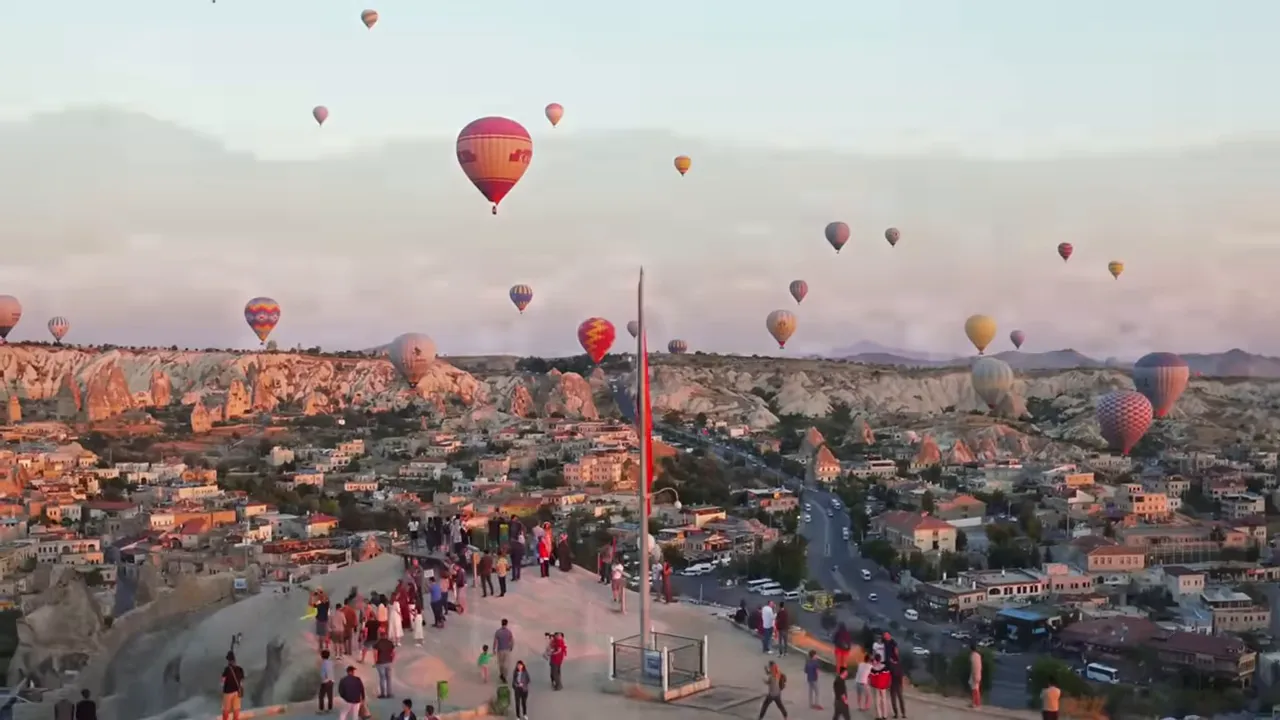
Turkey's contrasts are part of its appeal. You can sip tea in a centuries-old bazaar, float above Cappadocia in a hot air balloon at sunrise, explore ancient ruins, or swim in crystal clear waters along the Aegean coast. With a few simple precautions, your trip can be memorable for all the right reasons.
Final thoughts
So, Is it Safe to Travel Turkey in 2026? For the vast majority of tourists the answer is yes. Millions visit every year without trouble. Staying aware, using trusted services, and respecting local customs will help ensure a smooth trip. Travel smart, enjoy the culture, and you will likely fall in love with the country.


