

Southeast Türkiye—Mesopotamia—is where flavor, archaeology, and living history meet. This region surprises most visitors: bustling bazaars, the world's finest pistachios, 12,000-year-old temples, sunken villages, and honey-colored stone towns clinging to cliffs. Below is a concise, practical 5-day itinerary and travel guide that blends food recommendations, must-see sights, and local tips so you can plan an unforgettable trip beyond the usual Istanbul and Cappadocia loop.
Quick practicals: Getting there, safety, and where to stay
Fly into Gaziantep or Şanlıurfa from Istanbul (about 1.5 hours). Airports are roughly 20–35 km from city centers; buses, shuttles, taxis, or private transfers are available. Renting a car gives flexibility for day trips, but city centers are walkable and many main attractions are clustered.
Safety: The major cities in this guide are safe for tourists. Use normal precautions and treat the area like any other destination. English is not widely spoken outside tourist shops; translation apps or a local guide will make the trip smoother.
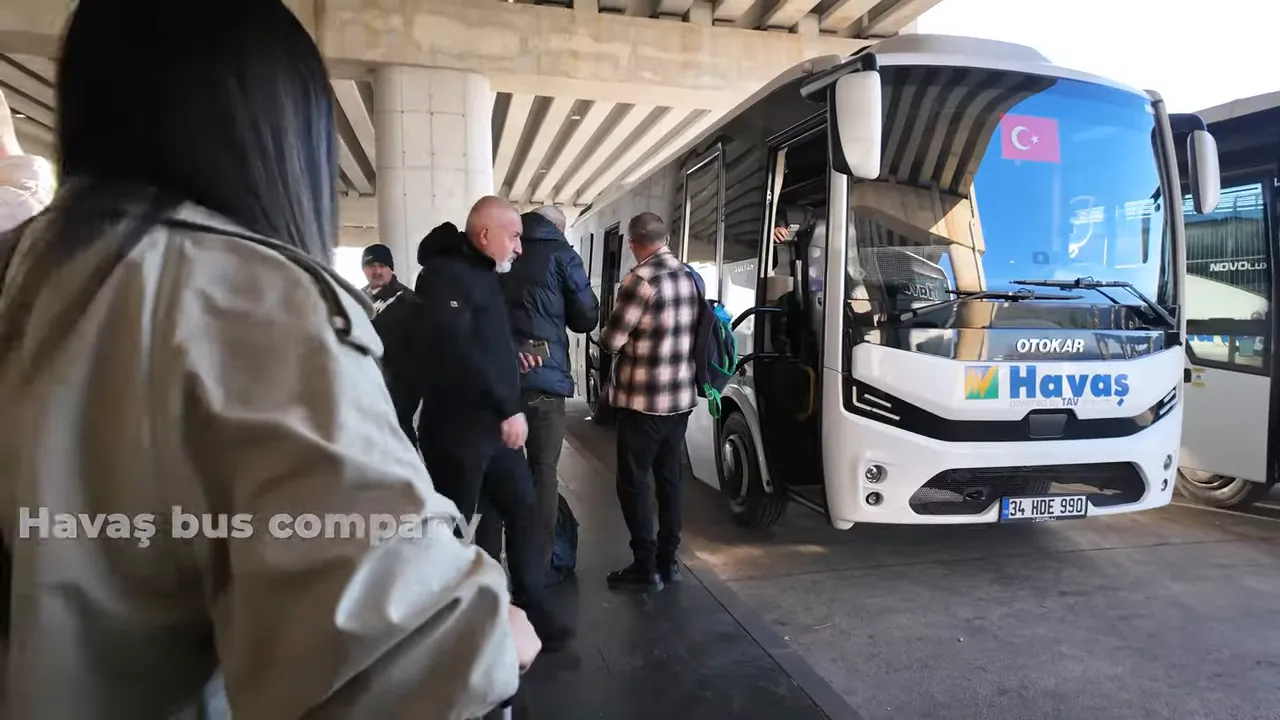
Day 1–2: Gaziantep — the gastronomic capital
Gaziantep (often pronounced Antep) is a city built on food. With over two million inhabitants and layered history from Hittites to Ottomans, the city's main claim to fame today is its cuisine.
What to eat
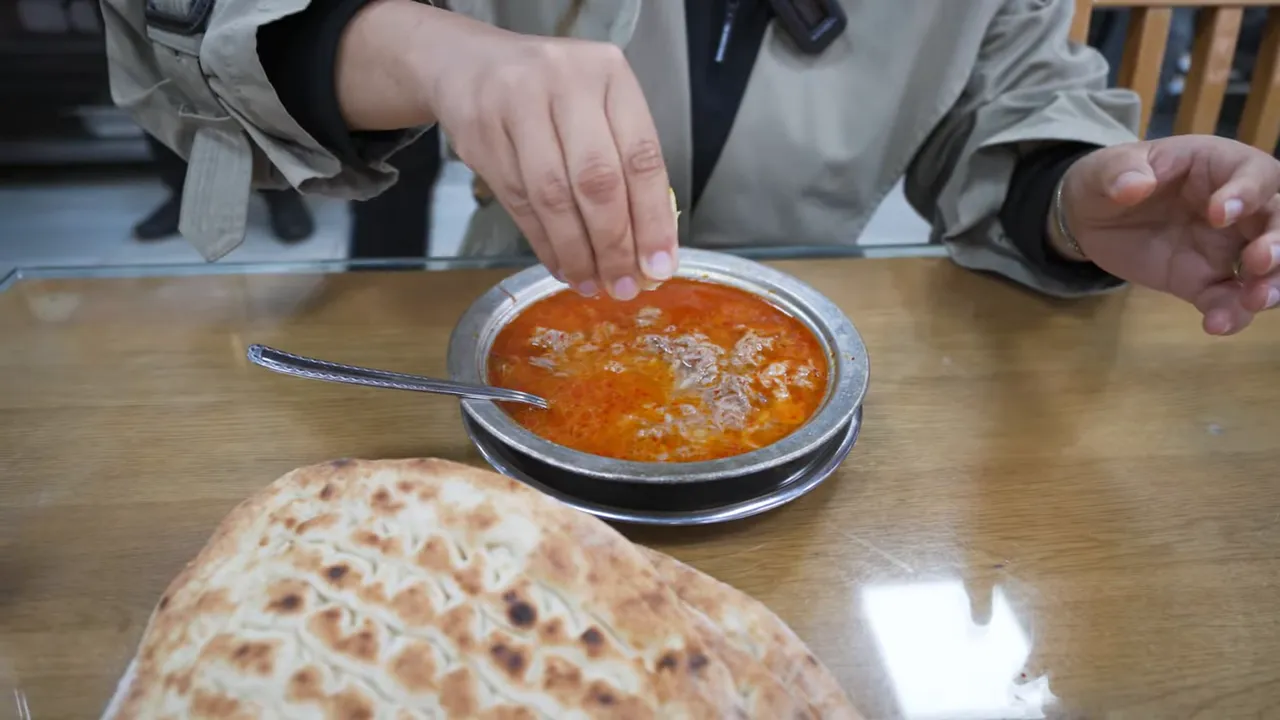
- Bıran — a rich lamb-and-rice soup traditionally eaten for breakfast; hearty enough to be a meal. (Try it with a squeeze of lemon.)
- Baklava — Gaziantep pistachios make the city's baklava legendary; flaky, buttery, and intensely nutty.
- Simit Kebab and Küşleme — local kebabs that showcase high-quality meat and simple, precise seasoning.
- Katmer — a pistachio-stuffed dessert best shared; warm and indulgent.
- Menengiç (pistachia) coffee — caffeine-free, milkily nutty and unique to southeastern Turkey.
Must-see sights in Gaziantep
- Gaziantep Castle — perched on a 25 m hill, an impressive ruin with views of the city center.
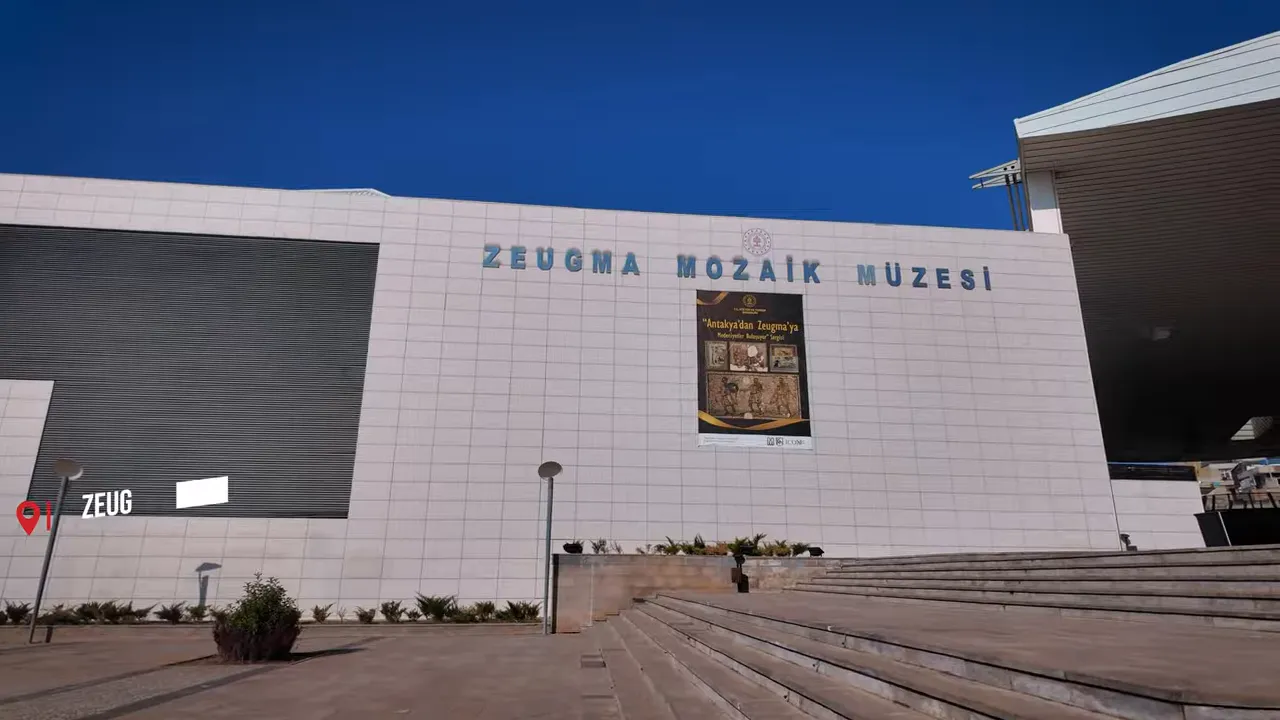
- Mosaic Museum — one of the world's largest mosaic museums; highlights include the famed “Gypsy Girl” mosaic and Roman-era sculptures.
- Local bazaars — a 500-year-old market area where copperware, sweets, and Antep muska candies stuffed with pistachio are local staples.
Day 2–3: Şanlıurfa (Urfa) — prophets, pools, and Göbekli Tepe
Şanlıurfa sits in the cradle of civilization. It’s a cultural crossroads—Turks, Kurds, Arabs, and Assyrians mingle here—and home to sites that rewrite the story of human history.
Göbekli Tepe — why it matters
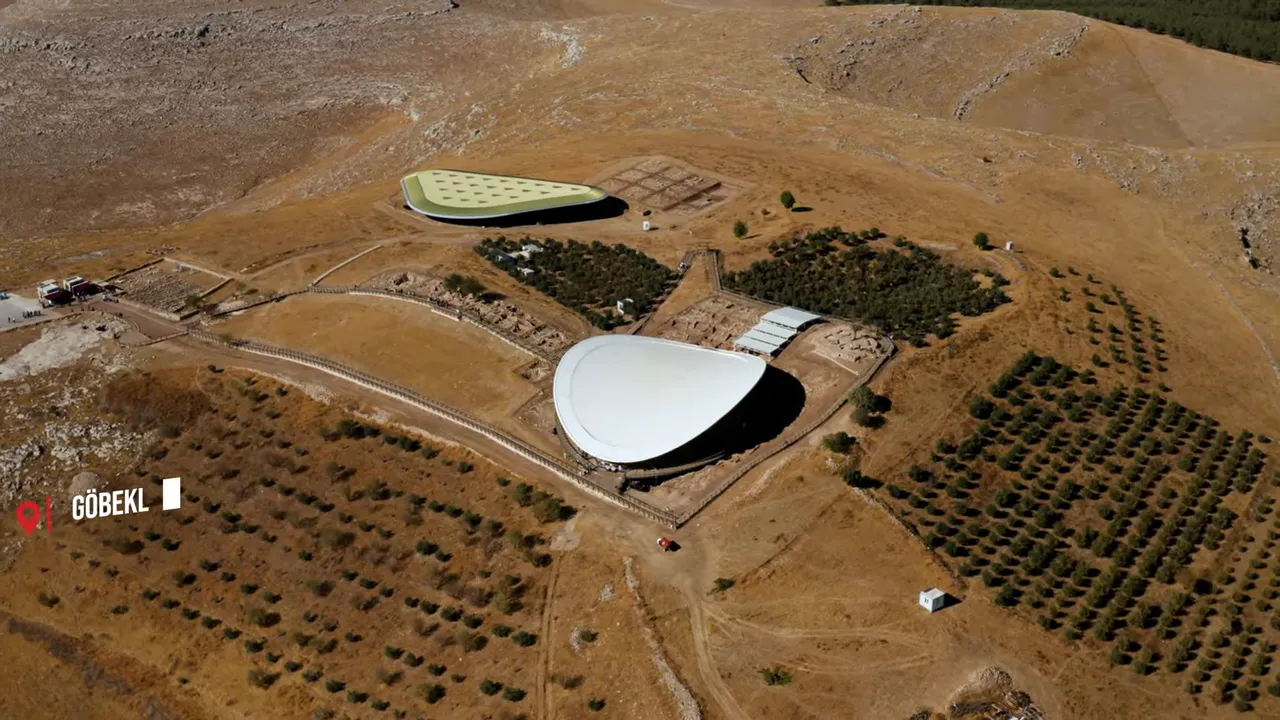
Locals call Göbekli Tepe the "ground zero of history."
Göbekli Tepe is almost 12,000 years old and challenges previous models of societal development: monumental religious architecture was built by hunter-gatherers before settled farming. The site’s T-shaped pillars carved with animals and symbols are a must-see. Expect a short shuttle ride from the visitor center and an entrance fee for the main complex.
City highlights
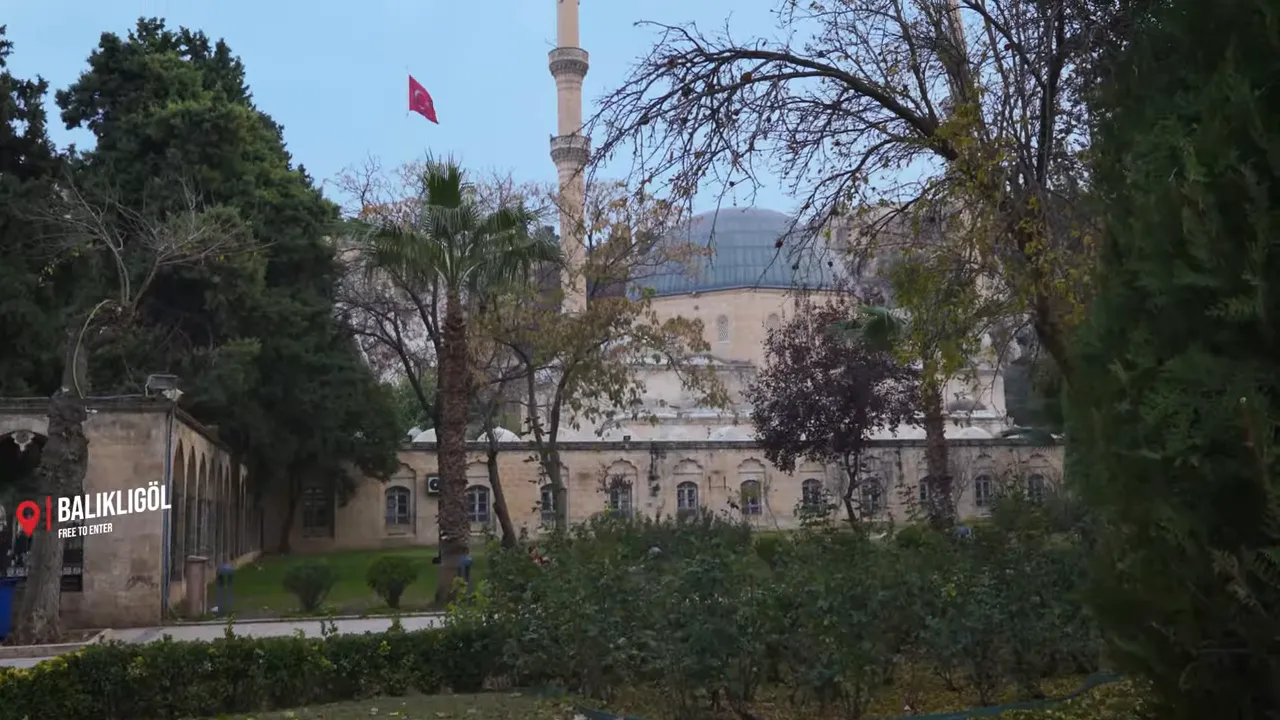
- Balıklıgöl (Pool of Abraham) — the sacred pool filled with carp that locals consider holy; a striking mix of legend and living pilgrimage.
- Urfa Museum — houses the world's largest Neolithic collection, including the life-sized Urfa Man and painted stone sculptures from Göbekli Tepe.
- Harran — cone-shaped beehive houses built to regulate temperature for centuries; a 50-minute drive from the city center and perfect for photos and local history.
Local flavors to try in Şanlıurfa
- Urfa kebab — typical minced meat kebab with regional spices; close your meal with local desserts like shelluk (crepe-like pastry with pistachio and molasses) and regional sherbets.
Day 4–5: Mardin — the honey-stone city and surrounding surprises
Mardin is an open-air museum of carved stone houses, narrow alleys, and a skyline of minarets and monasteries overlooking the Mesopotamian plain. Its yellow limestone buildings create a remarkably uniform and photogenic townscape.
What to see in Mardin
- Mardin Castle — also known as the Eagle’s Nest; offers sweeping views of the plains below.
- Grand Mosque — notable for its historic inscription and distinctive minaret.
- Mor Gabriel (Saffron Monastery) — an ancient Syriac Orthodox monastery with layers of history reaching back centuries.
- Dara (ancient city) — a short drive from Mardin, an archaeological complex with underground cisterns and rock-carved groups.
Mardin’s cuisine and sweets
Expect a rich meze culture, stuffed lamb ribs (Kaburga dolması), and desserts made with locally grown grapes, saffron, turmeric cream, walnuts, and unique herbal sherbets.
Unique side trips and curiosities
- Halfeti — a partially sunken ancient town on the Euphrates. Boat tours through the submerged old town are atmospheric and cinematic.
- Black roses of Halfeti — a dark-red rose variety famous in the region; best seen in season (spring or fall).
- Pizza village — an Assyrian village near Mardin where many returnees from Europe popularized local pizzerias. Thin-crust, simple toppings, and a fun cultural twist.
Practical travel tips and suggested 5-day plan
Suggested 5-day itinerary
- Day 1: Arrive Gaziantep — bazaar, mosaic museum, dinner and baklava tasting.
- Day 2: Morning food tour (bıran, menengiç), drive to Şanlıurfa (2 hours), explore Balıklıgöl and local markets.
- Day 3: Göbekli Tepe visit, Harran late afternoon, evening traditional music night if available.
- Day 4: Drive to Mardin (3 hours) — Old City, mosque, and museum visits.
- Day 5: Day trips — Dara, Halfeti boat tour or the pizza village, then depart from Mardin or return via Gaziantep/Şanlıurfa airports.
Tips
- Timing: Spring and autumn are ideal for comfortable temperatures. Summers are very hot; winters can be chilly and rainy.
- Transport: Internal flights save time. For flexible exploration, rent a car or book private day tours with local guides.
- Language: Bring a translation app or hire a guide—English is not always common outside tourist spots.
- Money: Many restaurants accept cards but keep cash for small bazaars and local vendors.
- Respect local customs: Some historic and religious sites require modest dress and quiet behavior.
Final notes
Southeast Türkiye is a region that rewards curiosity. From revolutionary archaeological discoveries to some of the best food in the country, this area is layered with stories—culinary, religious, and geological. Whether you come for baklava and kebab or to stand among pillars that predate written history, plan to move at a relaxed pace and savor each stop.
Which town will you visit first: Gaziantep’s kitchens, Göbekli Tepe’s pillars, or Mardin’s stone terraces?
You can also check #apartment for sale in Turkey
and also #Villa for sale in Istanbul


