

The Cost of Living in London is one of the first things anyone asks about before making a move, planning a new job, or simply trying to understand how life in the UK capital really works. London offers history, culture, opportunity, and world-class entertainment, but none of that comes cheap.
If you are thinking about living here in 2025, the big question is simple: how much do you actually need each month? The answer depends a lot on where you live, how you travel, how often you eat out, and what kind of lifestyle you want. But one thing is clear. London remains one of the most expensive cities in the world.
This guide breaks down the real Cost of Living in London across the essentials: housing, utilities, transport, food, entertainment, healthcare, and the hidden costs that can catch people off guard.
Housing: the biggest part of the Cost of Living in London
For most people, rent will be the single biggest monthly expense. If you have heard that London rent is high, that is absolutely true in 2025.
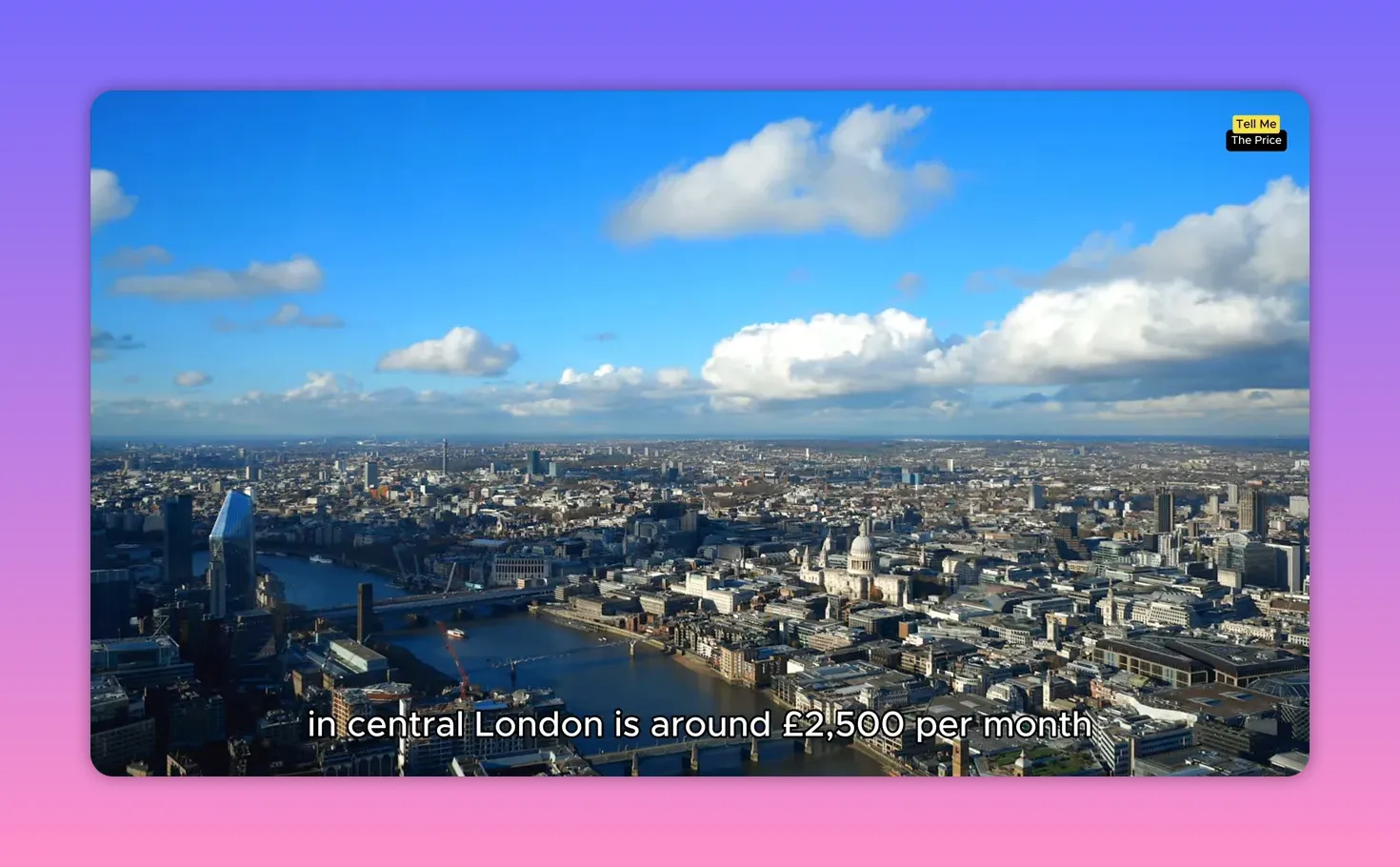
Average rent in central London
A one-bedroom apartment in central London costs around £2,500 per month. That is the kind of price you are looking at if you want to live close to the action, with easy access to major business districts, nightlife, restaurants, and landmarks.
If you need more space, the numbers rise quickly. A two-bedroom apartment in prime central areas such as Kensington, Soho, or Covent Garden can cost anywhere from £3,500 to £4,500 per month.
Outer London is cheaper, but still expensive
If you are willing to live farther out, rent becomes more manageable. A similar one-bedroom flat in outer London comes in at around £1,700 per month.
For a two-bedroom place in outer boroughs such as Croydon or Barking, costs can drop to roughly £2,200 per month.
That difference is exactly why so many people accept a longer commute in exchange for lower rent. In London, location has a massive impact on your budget.
Sharing can make London far more affordable
Flat-sharing is one of the most common ways to reduce the Cost of Living in London. Renting a room in a shared house or flat usually costs between £900 and £1,500 per month, depending on the area and the amenities included.
As a rule, the more central the location, the higher the price tag.
Do not forget the upfront costs
Rent is not the only housing expense. Most landlords ask for a deposit before move-in, usually equal to five to six weeks of rent. That means your first month in London can be significantly more expensive than the months that follow.
If you are budgeting for a move, this is one of the easiest costs to underestimate.
Utilities, internet, and council tax
Once rent is covered, there are still several monthly bills to account for. These are the costs that turn a rent estimate into a real living budget.
Utility bills
Electricity, gas, and water typically cost between £150 and £300 per month. The final amount depends on:
- How much energy you use
- The size of your home
- How energy efficient the property is
Older properties can be especially costly if they are poorly insulated.
Internet
A decent fibre broadband package usually costs around £40 to £60 per month. If you need faster speeds for gaming, heavy streaming, or remote work, expect to pay more.
Council tax
This is one of the hidden costs people often forget when estimating the Cost of Living in London. Council tax varies by borough and property value, and can range from £100 to £300 per month.
Some rentals include it, but many do not. That makes it essential to check before signing a lease.
Transport: efficient, essential, and not exactly cheap
Public transport is a huge part of London life. The network is extensive and efficient, but it still takes a meaningful bite out of your monthly budget.
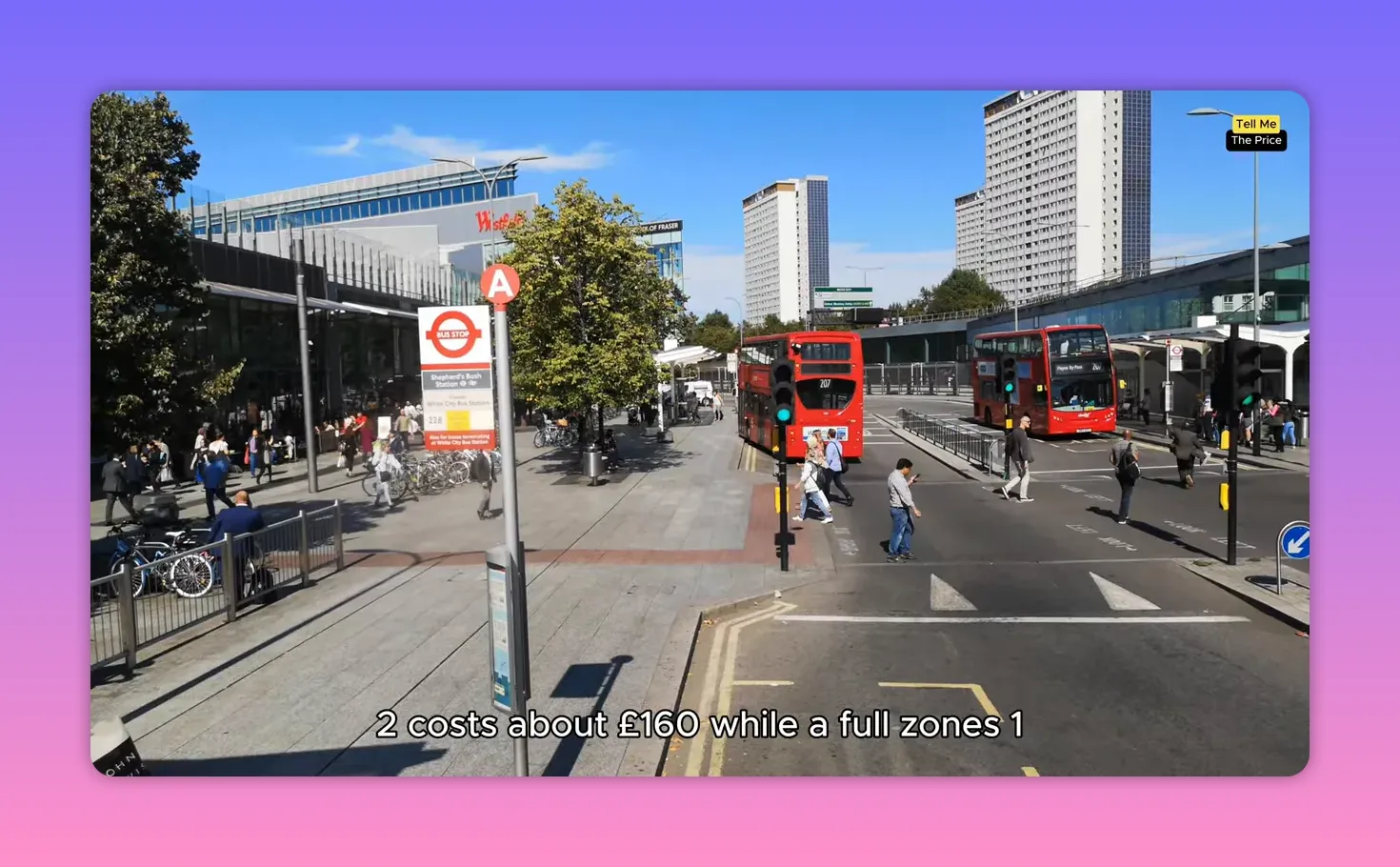
Public transport costs
A monthly Oyster card for Zones 1 to 2 costs about £160. If you need to travel across the full Zones 1 to 6 network, a monthly travelcard is around £270.
For many people, this is simply the price of getting to work, socialising, and moving around the city efficiently.
Driving in London can be far more expensive
If you plan to drive, the costs rise quickly.
- Petrol is around £1.70 per litre
- Congestion charge is £15 per day for driving into central London
- Parking can exceed £300 per month, assuming you can even find a space
That is why most Londoners rely on the Tube, buses, cycling, or simply walking. In many cases, these options save both money and time.
Food costs: groceries vs eating out
Food is another major part of the Cost of Living in London, and your monthly spend here depends heavily on your habits.

Groceries
If you cook at home regularly, expect to spend around £250 to £400 per month on groceries.
Where you shop matters. Stores such as Aldi and Lidl are more budget-friendly, while Waitrose and Marks & Spencer sit at the premium end of the scale.
Cooking at home consistently is one of the most practical ways to keep your overall living costs under control.
Dining out
Eating out is where budgets can quietly spiral.
- A casual meal at an affordable restaurant costs around £15 to £20
- A three-course meal for two at a mid-range restaurant typically runs £70 to £120
- A pint at the pub costs about £6 to £8
If you enjoy restaurants, takeaways, and pub nights regularly, it is easy to spend £300 to £500 per month just on food and drink outside the home.
The key is balance. London has incredible food, but enjoying it without wrecking your budget takes some discipline.
Entertainment and lifestyle costs
Living in London is not just about paying bills. One of the reasons people put up with the high prices is everything the city offers in return.

Theatre, cinema, and fitness
If you want to enjoy the city regularly, here are some costs to keep in mind:
- West End theatre tickets: £40 to £150
- Cinema tickets: about £12 to £18
- Gym membership: £40 to £120 per month
Your exact fitness cost depends on whether you choose a budget gym or a more premium health club.
Subscriptions and shopping
Streaming services like Netflix or Disney+ add another £10 to £20 per month. On their own, these may seem minor, but they are part of the slow build-up of everyday living costs.
And then there is shopping, which can be as affordable or as expensive as you make it. In London, that category can easily become its own budget line.
The good news: not everything in London costs a fortune
One of the best ways to manage the Cost of Living in London is to make the most of the city’s free attractions.
London has plenty of them, including:
- Museums
- Parks
- Street performances
- Public spaces with cultural events
You do not need to spend heavily to enjoy the city well.
Healthcare and the costs people often overlook
Healthcare in the UK works differently from many other countries, and while the NHS covers most healthcare costs for UK residents, that does not mean everything is free.

Prescription charges
In England, prescription charges are £10 per item.
Private health insurance
If you choose private coverage, health insurance can cost between £50 and £200 per month, depending on the level of cover.
Dental and eye care
Dental treatment and eye exams can also be expensive, especially if you do not qualify for NHS discounts. These are easy to overlook when planning a budget, but they should still be included in a realistic estimate.
A realistic monthly budget for a single person
So what does the full Cost of Living in London look like when you add everything together?
For a single person living comfortably in central London in 2025, a rough monthly breakdown looks like this:
- Rent for a one-bedroom in central London: £2,500
- Utilities and internet: £200
- Transport: £160
- Groceries: £300
- Eating out and entertainment: £400
- Extras, shopping, and personal expenses: £200
That brings the total to roughly £3,500 to £4,000 per month for a comfortable central London lifestyle.
If you live in outer London and keep spending under control, you may be able to manage on around £2,500 per month.
Of course, this can move up or down depending on how you live. Share a flat, cook more often, and cut back on paid entertainment, and your costs can be lower. Choose a prime location and a more social lifestyle, and they can climb very quickly.
Is London worth the cost?
That really comes down to what you value.
If you want vibrant city life, career opportunities, global culture, and endless things to do, London is hard to beat. Few cities offer the same mix of opportunity and energy.
But the price of access to all of that is high, and that is the reality behind the Cost of Living in London in 2025. Careful budgeting is not optional here. It is essential.
Final thoughts
The Cost of Living in London is substantial, especially if you want your own place in a central area. Housing dominates the budget, transport adds up, and dining out or entertainment can push monthly spending much higher than expected.
Still, there are ways to make London work. Living farther out, sharing accommodation, cooking at home, and taking advantage of the city’s many free attractions can make a real difference.
London is expensive, yes. But for many people, the opportunities, atmosphere, and lifestyle make the numbers worth serious consideration.


