

Thinking about living in Istanbul? This guide explains what life is really like in Turkey’s largest city, who it suits, key advantages and drawbacks, neighborhood tips, practical must-dos, and common pitfalls to avoid. Use this as a compact checklist before you move or during your first months living in Istanbul.
Who should consider living in Istanbul and why it matters
Istanbul is a fast-growing, historic metropolis that blends European and Asian influences. It suits people who want vibrant city life, rich food culture, easy access to the sea, and strong local hospitality. It can be challenging for those expecting small-city calm, perfectly smooth infrastructure, or very low living costs.
Quick snapshot: Top benefits and biggest drawbacks
- Benefits: delicious Turkish cuisine, year-round fresh produce, friendly people and strong hospitality, abundant small businesses, beaches nearby, rich culture, many family-friendly neighborhoods.
- Drawbacks: heavy traffic, crowded or uneven sidewalks, visible litter in some areas, rising cost of living, variable public service hours, and occasional indoor smoking.
Major advantages of living in Istanbul (what you’ll enjoy)
1. Food and markets
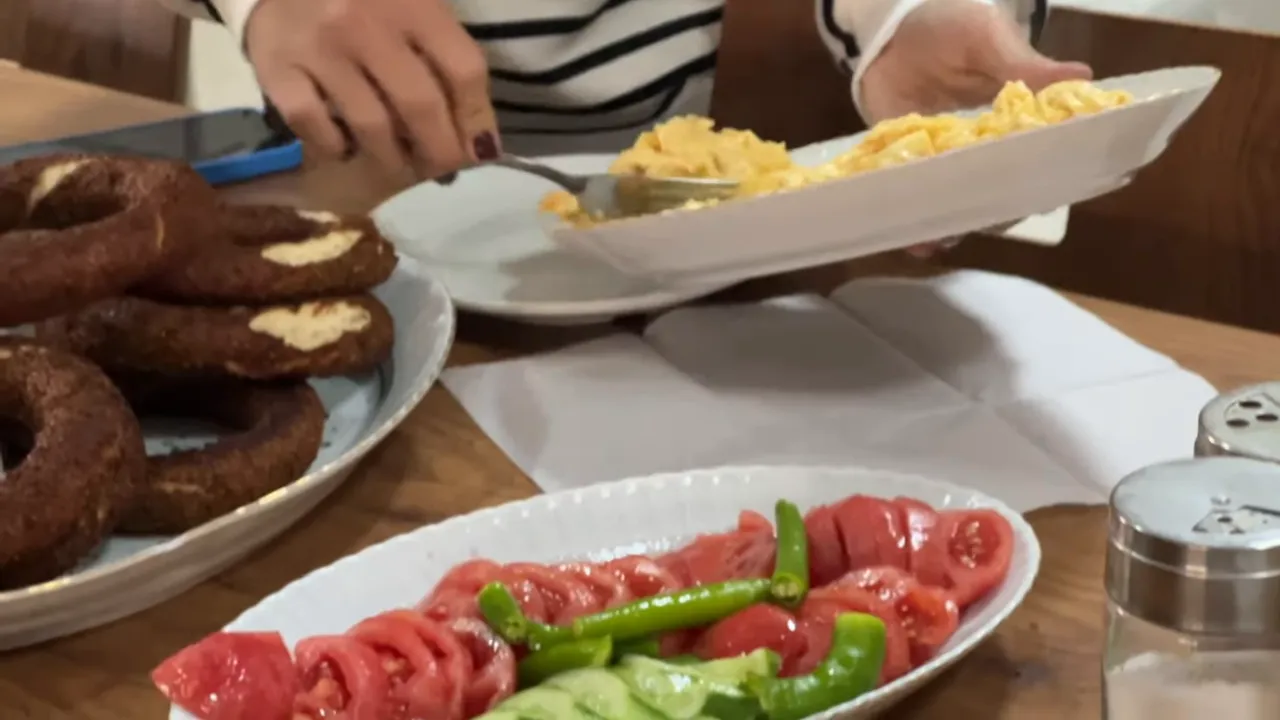
Turkish cuisine is a major highlight: daily fresh fruit and vegetables at local markets, bakeries with simit and other breads, and regional kebabs. Try a traditional breakfast (kahvaltı) with cheeses, olives, eggs, spreads and several breads.
2. Local hospitality and community
People are generally welcoming and helpful. Expect offers of tea, invitations to share food, and neighbors who assist with small problems. Learning basic Turkish greetings smooths interactions.

3. Climate, sea and outdoor life
Winters are milder than many northern cities, summers can be hot, and beaches are accessible from many districts. Parks and picnic culture are common—families often spend weekends outdoors.

4. Child-friendly public life
Children attract attention and kindness. Playgrounds are social spaces and older kids often help younger ones, which many parents find comforting.

Major disadvantages of living in Istanbul (what to prepare for)
1. Traffic and commuting
Traffic congestion is a daily reality. Commute times can be long and unpredictable. Use public transport where possible (ferries, metro, tram) or plan extra travel time.

2. Cleanliness and sidewalks
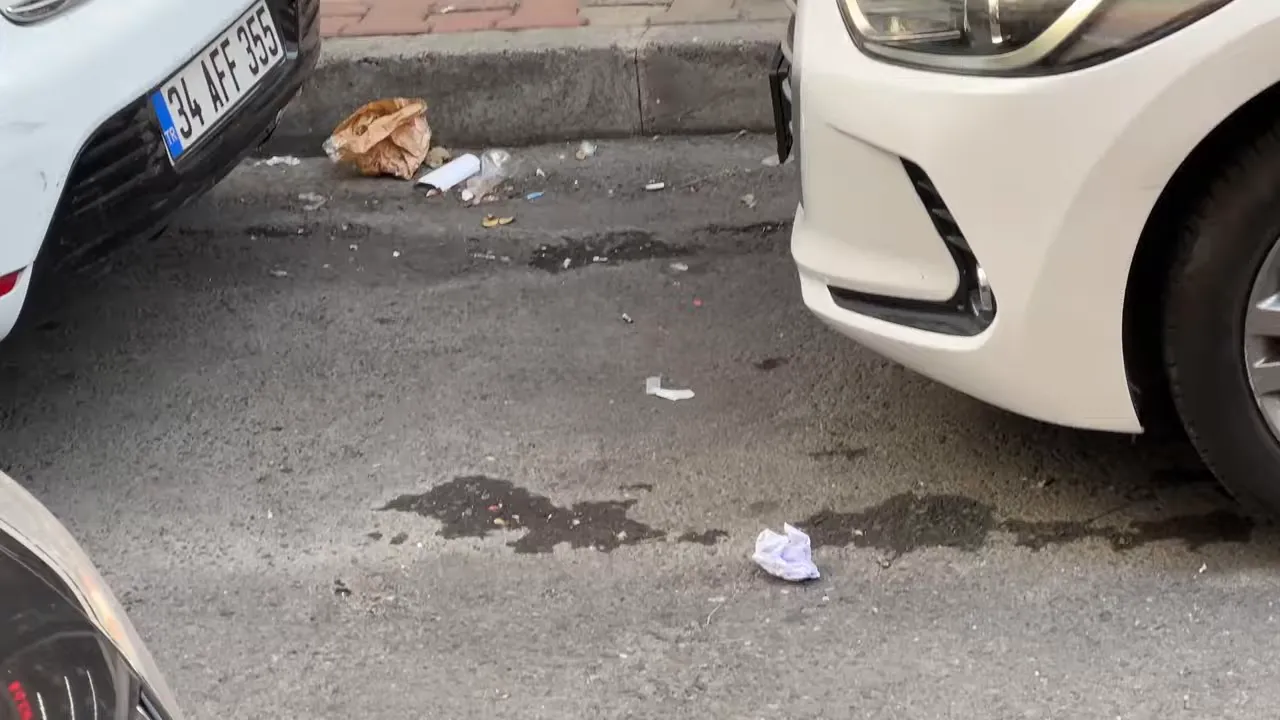
Some streets and pedestrian areas show litter and limited trash bins. Sidewalks can be narrow or obstructed by parked cars—pushchairs and wheelchairs sometimes have to use the road.
3. Cost of living and inflation
Prices can rise quickly. Budget carefully for rent, food, utilities and services. Local markets and small family shops often offer better prices than tourist areas or major supermarkets.
4. Practical service hours and logistics
Many shops and pharmacies close early and some services are limited on Sundays. Pharmacies on duty (nöbetçi eczane) rotate—look for local lists or search tools to find the nearest open pharmacy.

5. Transport safety and child seats
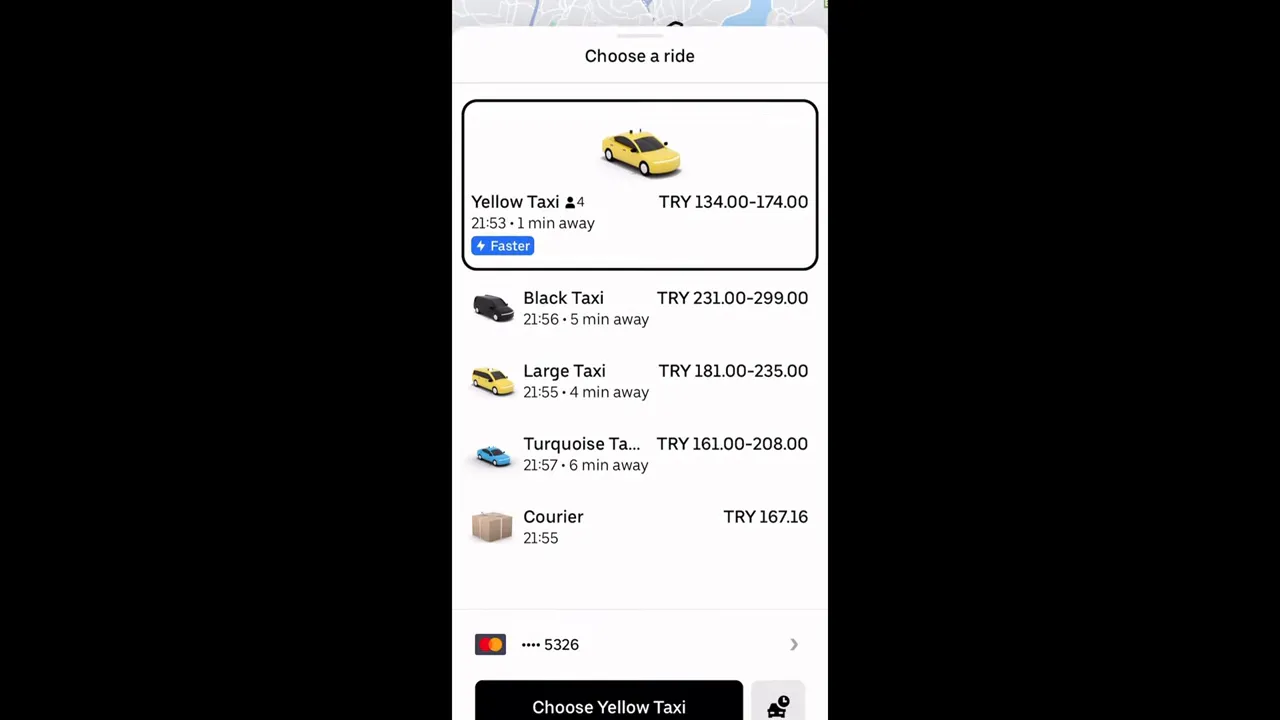
Taxi and ride-hailing services may not offer child-seat options, and seat belt use can be inconsistent. Bring a portable child booster or car seat if you need one and insist on seat belts.
6. Indoor smoking and air in enclosed spaces
Although smoking indoors is regulated, enforcement varies and you may encounter smoking in some restaurants, cafes or vehicles. If you are sensitive, choose smoke-free venues or ask before entering.
Neighborhoods: where to live depending on your needs
- Central & lively (Beşiktaş, Beyoğlu, Şişli): great nightlife, cafés, short commutes to business centers.
- Family-friendly (Kadıköy, Moda, Bakırköy, Başakşehir): parks, schools, calmer streets, community feel.
- Upscale & shopping (Nişantaşı, Etiler): boutique shopping, higher rents, international restaurants.
- Budget & commuter options (Esenler, Avcılar, outskirts): lower rent but longer commutes.
Practical checklist for moving to Istanbul
- Documents: passport, visa/residence permit documentation, translated birth/death/marriage certificates as needed.
- Local sim & banking: get a Turkish SIM (Turkcell, Vodafone, Türk Telekom) and open a bank account for utilities and rent.
- Transport card: buy an Istanbulkart for buses, metros, trams and ferries.
- Housing: rent first, read the kira kontratı carefully, confirm utilities and internet setup.
- Health & meds: register with a family doctor, get international or local health insurance, pack essential medicines.
- Childcare & school: visit local schools and playgrounds early; ask neighbors for recommendations.
- Safety kit: have a portable car seat if you travel by taxi and a small stash of cash for markets and small shops.
Local words and customs to know
- Merhaba = hello; Teşekkürler = thank you.
- Afiyet olsun = bon appetite / be healthy—commonly said after meals.
- Kolay gelsin = wishing someone an easy job—used when greeting someone working.
- Abi / Abla = older brother / sister used as polite address to strangers.
Common questions about living in Istanbul
Is Istanbul safe?
Overall yes for daily life, but treat it like any big city. Watch out for pickpocketing in crowded tourist zones, avoid isolated areas at night, and be cautious in traffic.
How expensive is living in Istanbul?
Expenses vary by neighborhood and lifestyle. Fresh produce and street food can be inexpensive; rents in central areas are high and inflation affects prices. Budgeting and shopping at local markets help reduce costs.
How is healthcare?
Good quality healthcare is available. Private clinics offer faster service and English-speaking staff in many areas. Expats commonly use private insurance for ease and access.
Do I need to learn Turkish?
Basic Turkish phrases go a long way. Many people in service industries speak some English, but knowing Turkish improves daily life and opens social opportunities.
Common pitfalls and how to avoid them
- Underestimating commute times: always add buffer time and learn ferry/metro alternatives.
- Assuming constant opening hours: check pharmacy duty lists and shop hours in advance, especially Sundays.
- Not budgeting for price volatility: track household spending and use local markets.
- Using taxis without seat restraints for children: keep a portable seat or insist on seat belts.
- Ignoring cultural norms: polite phrases and accepting small offers of tea or food build goodwill.
Summary — can you enjoy living in Istanbul?
Yes—if you prepare realistically. Living in Istanbul offers exceptional food, friendly people, cultural richness and coastal access. It also requires adapting to heavy traffic, occasional service limitations, and rising costs. With the right neighborhood choice, basic Turkish, and a few practical preparations, living in Istanbul can be rewarding and full of everyday discoveries.
Quick action list: get an Istanbulkart, secure a local SIM and bank account, find a reliable grocery market, learn key Turkish phrases, and carry a portable child seat if needed. These steps make the transition to living in Istanbul much smoother.


